In 2026, more Australian homeowners are turning their backyards into income-generating assets. Dual occupancy Australia 2026 has become one of the most searched property strategies — and for good reason.
Written by Daniel Whitfield, founder of Australia Develops, who has personally bought, subdivided, and built property across Australia.
With housing supply shortfalls across NSW, Victoria, and Queensland, dual occupancy delivers two dwellings on one lot, often for a fraction of the cost of buying a second property.
State governments have progressively relaxed planning rules. Pathways like the CDC (Complying Development Certificate) make approvals faster and more predictable than ever.
This guide covers everything: what dual occupancy actually means, battleaxe subdivision rules, CDC versus DA, state-by-state regulations, real cost breakdowns, and profit scenarios.
Important note: This guide focuses primarily on New South Wales (NSW) planning rules, which represent the most active dual occupancy market in Australia. Planning controls in Victoria, Queensland, South Australia, and Western Australia differ significantly by state and local council. Always verify the specific council’s requirements before proceeding with any development. A property easement on the lot can reduce the buildable area and add engineering costs before a single block is laid.
What Is Dual Occupancy? The Complete Definition
Dual occupancy means building or converting a single residential lot so that it contains exactly two separate dwellings. Both dwellings share the same land title — they are not subdivided into individual lots unless a torrens or strata subdivision follows.
In most Australian states, dual occupancy is subject to local environment plans (LEPs) and state-level residential codes.
Dual occupancy takes two common forms. The first is an attached dual occupancy — two dwellings sharing a common wall, similar to a duplex.
The second is a detached dual occupancy — two completely separate homes on the one block. The detached form requires sufficient lot size and setback compliance, which varies significantly by council area.
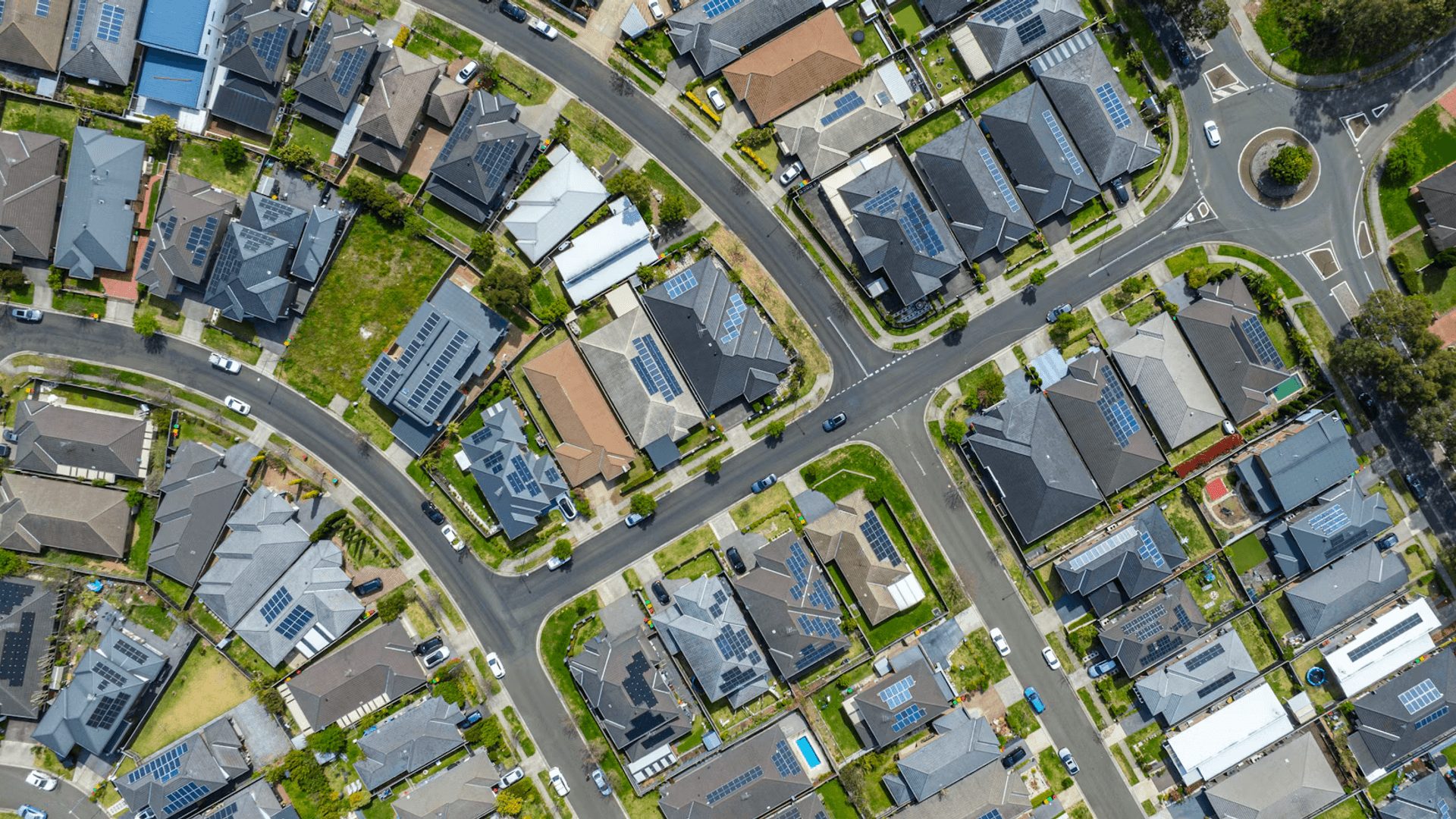
Recent low-rise medium density reforms in NSW have expanded dual occupancy eligibility to most residential zones. These policy changes mean that properties previously too small or too tightly zoned for dual occupancy are now viable development sites. The opportunity is significant — but success depends on understanding the rules.
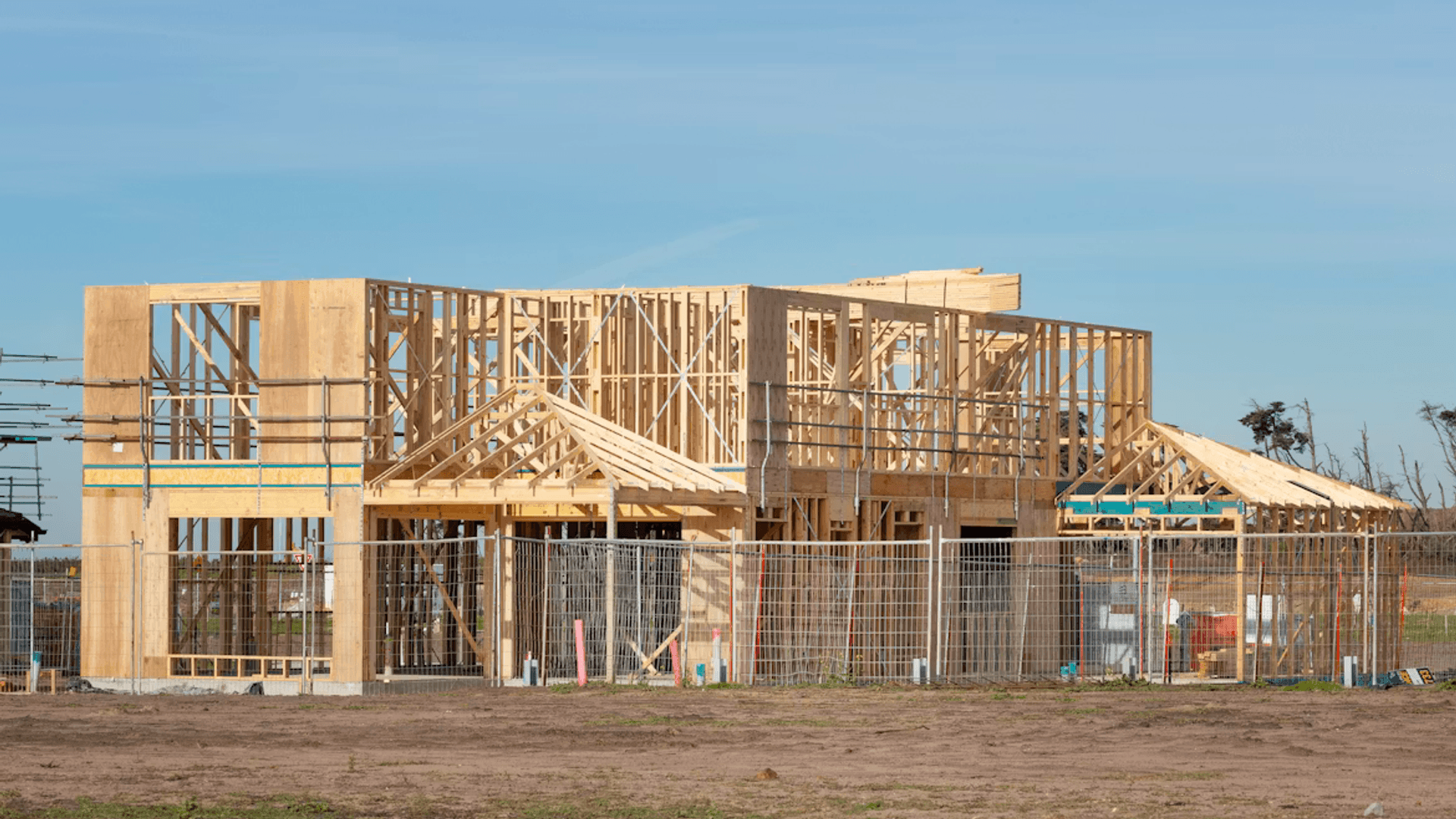
Battleaxe Subdivision — Adding a Second Lot Behind an Existing Home
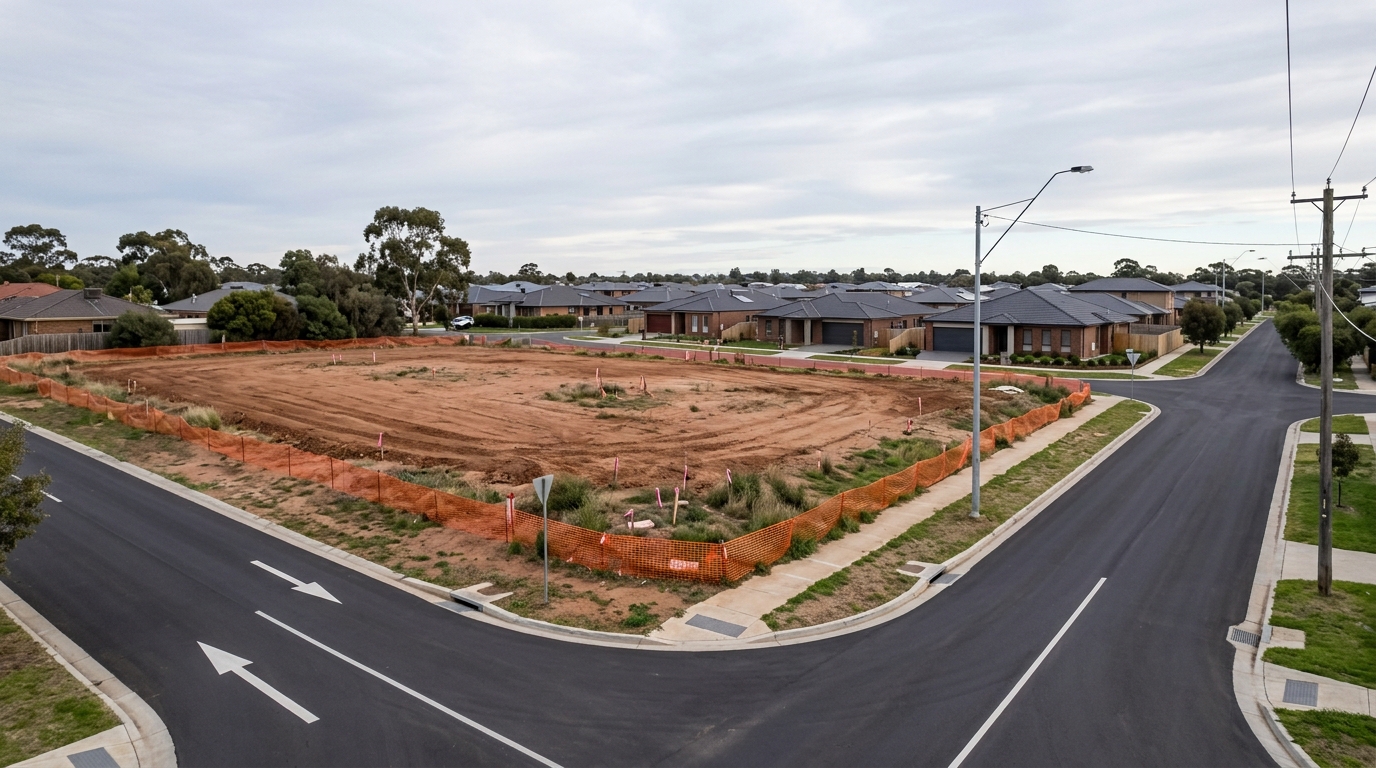
A battleaxe block is a rear lot accessed via a narrow driveway — typically 3 to 4 metres wide — running between the front property and the street.
The term comes from the shape: a long thin handle (the driveway) leading to a wider rectangular head (the rear block). In practice, battleaxe subdivisions are one of the most common strategies for dual occupancy in established Australian suburbs.
Battleaxe blocks are not available everywhere. Most councils require a minimum driveway width — commonly 3 metres clear, and sometimes 4 metres for fire truck access in longer driveways. The rear lot must meet minimum lot size requirements, which in NSW typically sit at 300sqm after subdivision for CDC-eligible sites.
In Victoria and Queensland, minimums vary by zone and council.
What This Means for Owners and Investors
The driveway area (the “handle”) usually counts within the total site area for planning calculations. Consequently, a property might appear large enough on paper but fail once a surveyor deducts the driveway area. Always engage a surveyor or town planner to assess battleaxe feasibility before committing to a purchase or development.
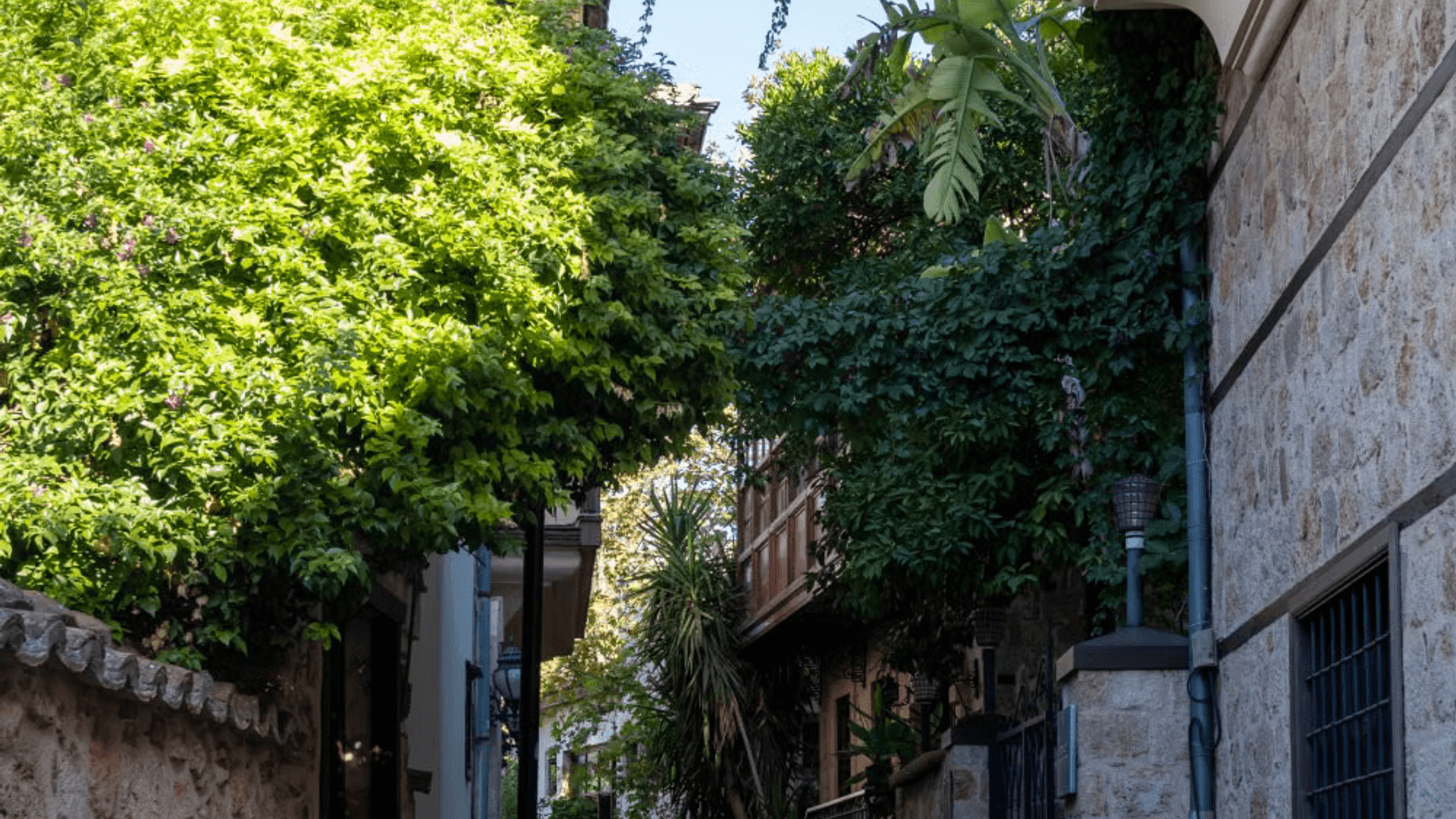
Titles also commonly register shared battleaxe driveways as a right of carriageway easement, so buyers should review the NSW property easements due diligence guide before relying on access arrangements.
CDC vs DA — Choosing the Right Approval Path
For most dual occupancy projects in 2026, the first big decision is whether to pursue a Complying Development Certificate (CDC) or a Development Application (DA).
In NSW, a private certifier processes a CDC — typically in 20 business days or less.
A DA goes to council and commonly takes 6 to 18 months, sometimes longer for complex sites.
CDC eligibility is strict. The property must be in an eligible zone, meet minimum lot sizes, satisfy setback rules from all boundaries, and comply with height limits — all without variation.
If any single rule is not met — even by a centimetre — the CDC pathway becomes unavailable. In that case, a DA is the only option.
The DA pathway, meanwhile, offers more flexibility. A council assessment officer can consider site-specific circumstances and may grant exceptions to standard controls.
Irregular lots, heritage-adjacent sites, and steep terrain are often better suited to DA approval. The longer timeline is often worth it for complex projects with higher profit margins.
| CDC | DA | |
|---|---|---|
| Approval time | ~20 business days | 6–18 months |
| Processed by | Private certifier | Local council |
| Flexibility | Low — strict compliance only | High — discretionary assessment |
| Fees | $3,000–$8,000 | $10,000–$30,000 |
| Risk | Low (if eligible) | Medium–high |
| Best for | Standard compliant sites | Complex or non-standard sites |
Can a Duplex Subdivision Proceed Under CDC?
Yes — but only if the site meets every CDC eligibility requirement without any variation. In NSW, the Low Rise Housing Diversity Code allows dual occupancy via CDC where the lot is in an eligible zone, meets minimum lot size (typically 400sqm for detached dual occupancy), satisfies all setbacks, and complies with height limits.
If even one rule is not met, a DA becomes the only pathway. There is no partial CDC compliance — it is all or nothing.
The growth along Western Sydney’s major corridors has generated significant dual occupancy demand. Leppington’s development pipeline for 2026 illustrates how greenfield subdivision and dual occupancy strategies are converging across the South West Growth Area, creating new opportunities for investors and homeowners alike.
State-by-State Rules for Dual Occupancy Australia 2026
Rules for dual occupancy differ significantly across states. In NSW, the Low Rise Medium Density Housing Code allows complying development for dual occupancy in most residential zones. Additionally, the minimum lot size for a detached dual occupancy CDC is 400sqm in standard residential zones.
Councils must comply with state-level housing policies, reducing local variation compared to previous years.
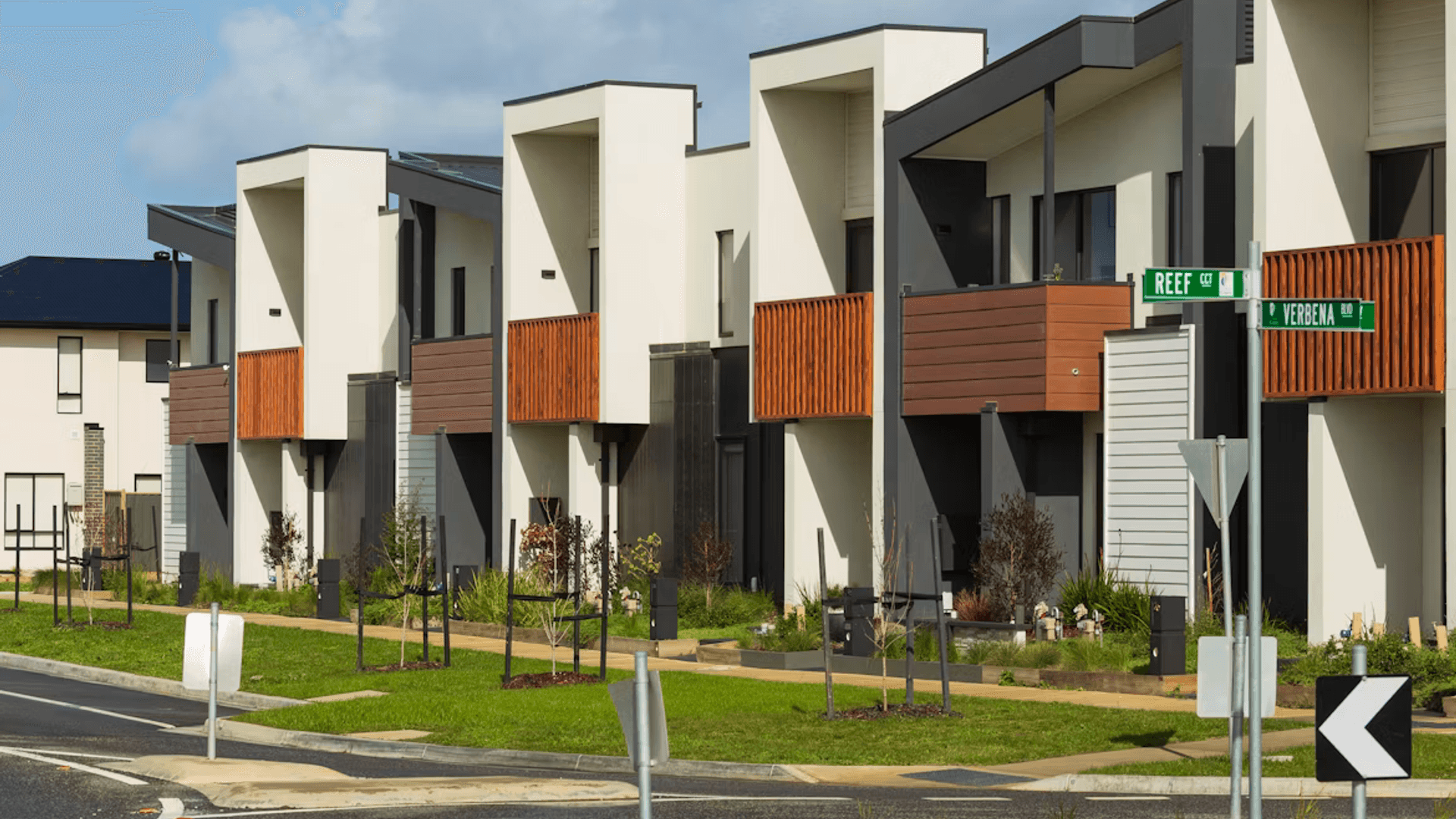
In Victoria, dual occupancy is permitted under ResCode in most General Residential Zones. Council overlays — such as neighbourhood character or heritage overlays — can restrict design options even when underlying zoning permits it. Always check both the zone and any applicable overlays before beginning design work.
In Queensland, the rules depend heavily on local planning schemes. Many councils allow dual occupancy in Low Density Residential and Character Residential zones, but design requirements vary.
A dual occupancy approved in Brisbane City may not meet the same requirements as one in Moreton Bay or Gold Coast.
Engaging a local town planner is particularly important in Queensland.
Real Cost Breakdown — What Dual Occupancy Actually Costs in 2026
Understanding costs is critical before committing to any dual occupancy project. In NSW and Victoria, construction costs for a new detached dual occupancy typically range from $2,800 to $3,500 per square metre for a project builder, and up to $4,500 per square metre for custom builders. Consequently, a 200sqm second dwelling costs roughly $560,000 to $900,000 to build, before accounting for site works.
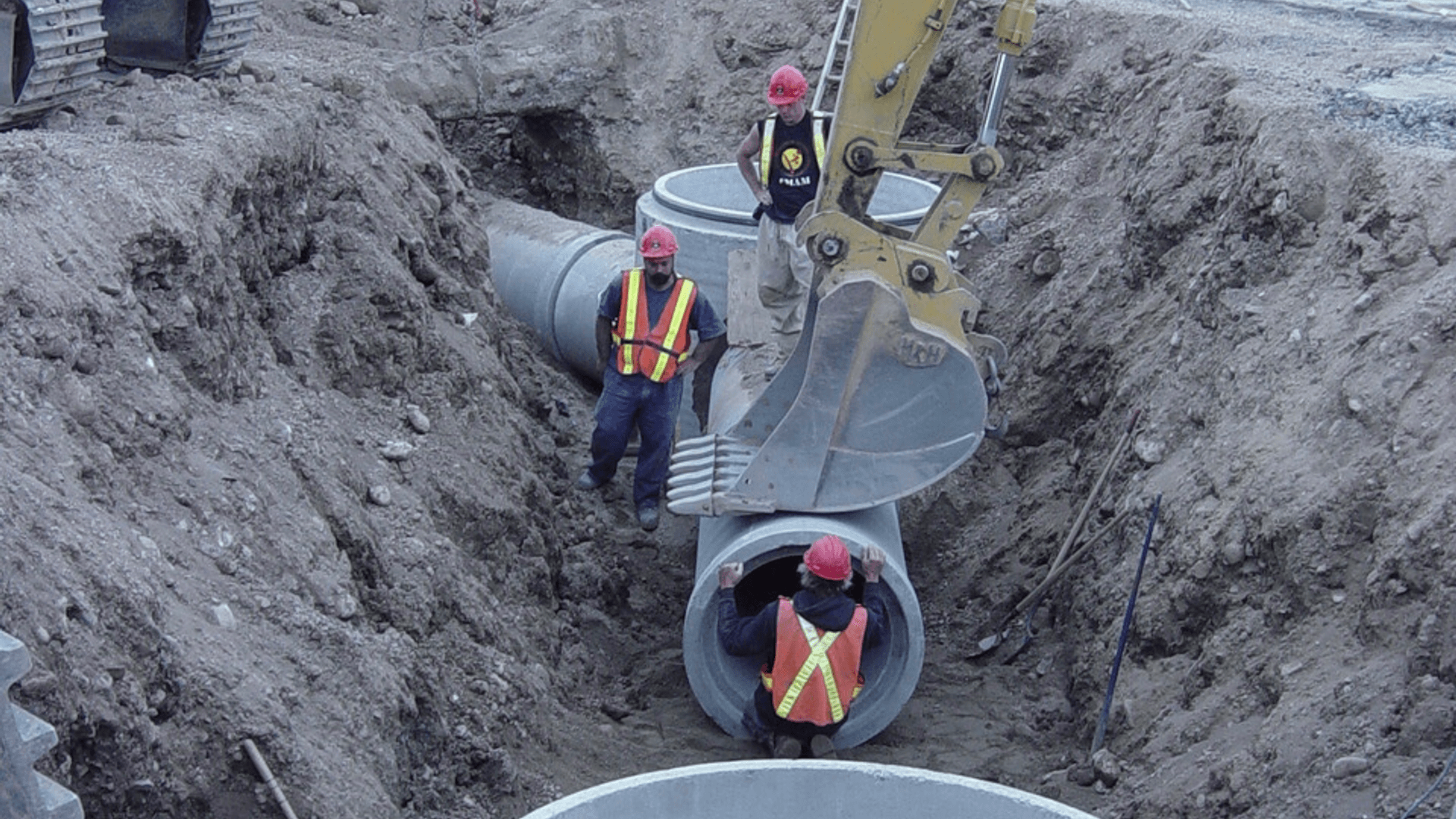
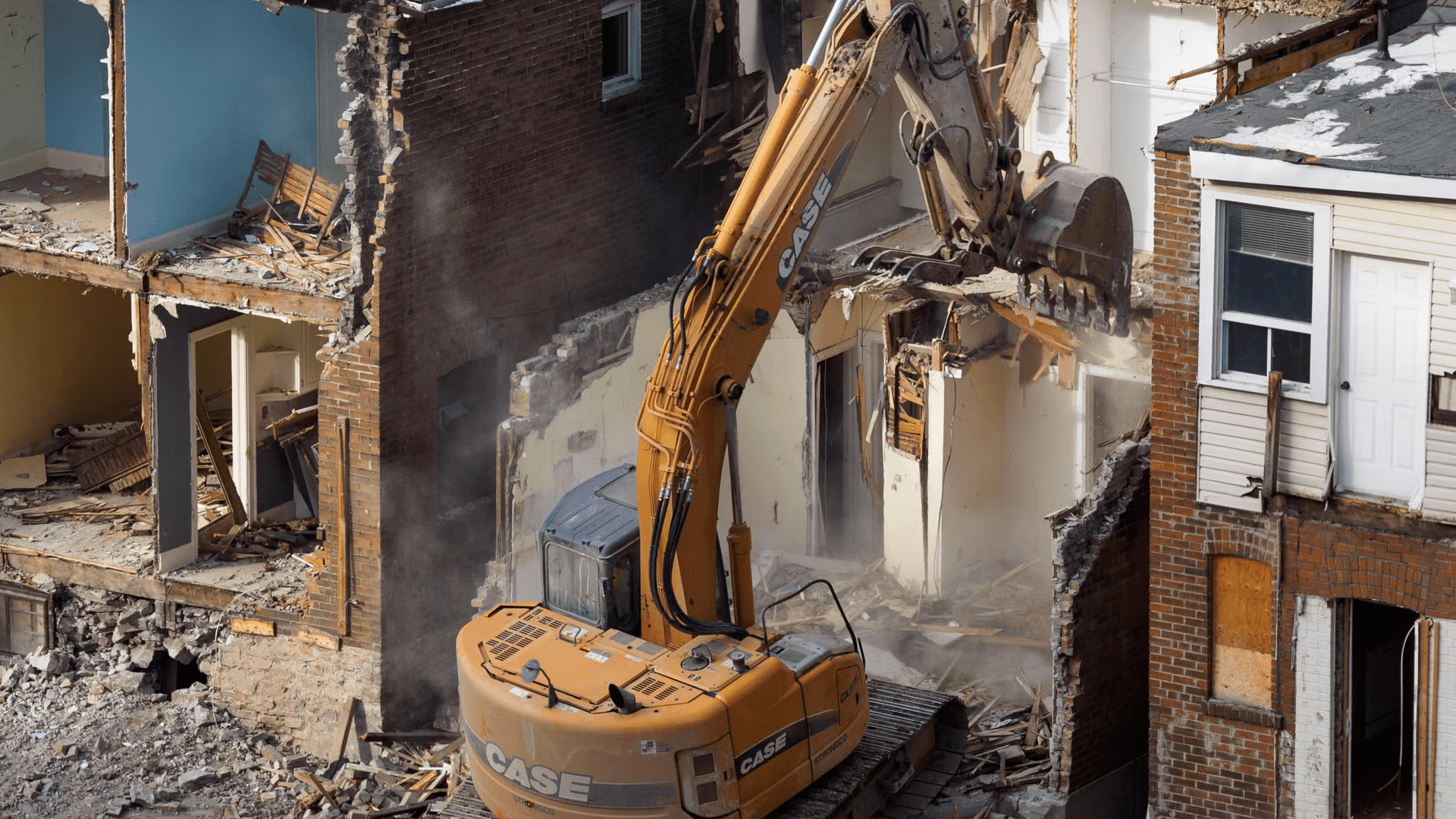
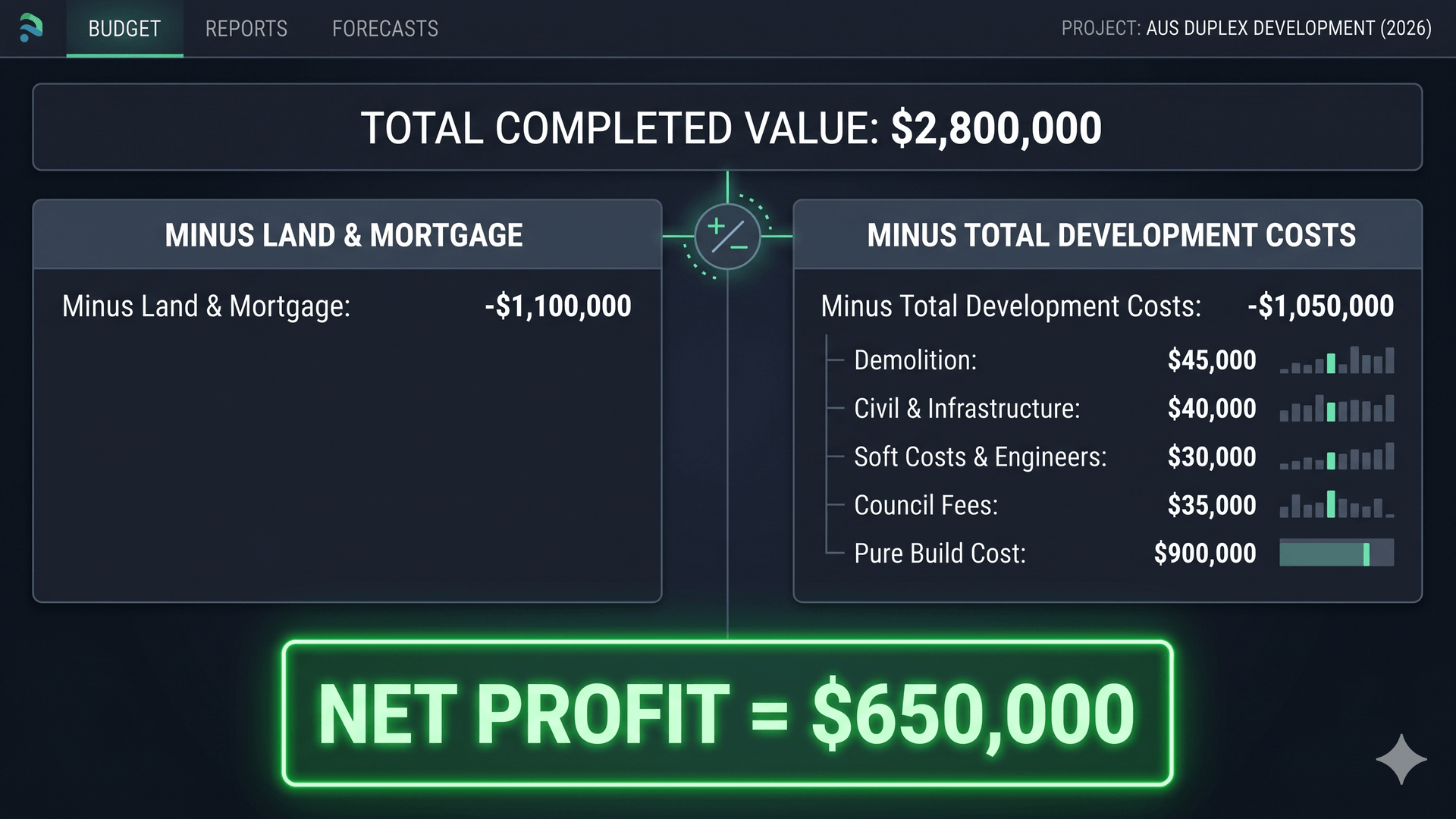
Site-related costs add significantly to the total. These commonly include: demolition of existing structures ($15,000–$50,000), site levelling and excavation ($20,000–$80,000), retaining walls ($20,000–$150,000 depending on slope), services connections — sewer, water, power, gas ($15,000–$40,000), and driveway and landscaping ($20,000–$60,000).
Approval costs must also be factored in. A CDC application via a private certifier commonly costs $3,000–$8,000 in fees.
A DA to council can cost $10,000–$30,000 in fees, contributions, and consultant costs. Design and engineering fees — architect, structural engineer, hydraulic engineer — add a further $20,000–$60,000 depending on project complexity.
How Much Does a Dual Occupancy Subdivision Cost in NSW?
| Cost Item | Typical Range (NSW 2026) |
|---|---|
| Demolition | $15,000–$50,000 |
| Site levelling & excavation | $20,000–$80,000 |
| Retaining walls | $20,000–$150,000 |
| Services (sewer, water, power) | $15,000–$40,000 |
| Driveway & landscaping | $20,000–$60,000 |
| Design & engineering fees | $25,000–$65,000 |
| CDC fees | $3,000–$8,000 |
| DA fees (if applicable) | $10,000–$30,000 |
| Pure build cost (150–200sqm) | $560,000–$900,000 |
| Total project estimate | $700,000–$1,300,000+ |
Dual Occupancy Profit Calculator — Return on Investment by Scenario
The profit potential from dual occupancy Australia 2026 projects depends on the entry price, build cost, and local market rents or sale prices. The three main profit scenarios are: hold both dwellings for rental income, sell the second dwelling after strata subdivision, or sell the entire site with two completed dwellings to a developer or investor.
For a rental income scenario: in Western Sydney, a new 3-bedroom second dwelling typically rents for $580–$750 per week in 2026. At $650 per week, that is $33,800 annual rent.
Against a build cost of $700,000 (inclusive of site works), the gross rental yield is approximately 4.8%. Furthermore, retaining the existing front home for rental adds another $550–$700 per week, making the combined yield on total project cost highly competitive.
For the sale scenario: if the second dwelling can be strata subdivided and sold separately, comparable new 3-bedroom homes in outer Western Sydney sell for $900,000–$1,100,000 in 2026. A project with a total cost of $1,500,000 (land plus build) and a dual sale outcome of $2,200,000 generates a gross margin of approximately $700,000 before tax and agent fees.
Realistic Timeline — From Concept to Tenants
Many first-time dual occupancy Australia 2026 developers underestimate how long the process takes. In reality, even a straightforward CDC project in NSW takes 12 to 18 months from initial feasibility to the first tenant moving in.
A DA project on a complex site can take 24 to 36 months. Understanding the timeline prevents financial stress and poor planning decisions.
The typical CDC timeline runs as follows: feasibility and design (2–3 months), CDC application and approval (1–2 months), construction tender and contract (1–2 months), construction itself (8–12 months), and fit-out, landscaping, and final inspection (1–2 months). Strata subdivision — if planned — adds another 3–6 months after construction completion.
Western Sydney’s ongoing infrastructure expansion is compressing timelines in some areas. The Western Sydney Airport precinct has accelerated builder availability and trade capacity across the broader region, which is reducing construction wait times compared to the post-COVID backlog that plagued projects in 2022–2023.
Is Dual Occupancy a Good Investment in NSW in 2026?
In short: yes — for the right property at the right price. Dual occupancy in NSW outperforms standard buy-and-hold in 2026 for investors who can access a site with at least 700sqm and side access. Furthermore, the combination of dual rental income and potential strata subdivision adds two distinct exit strategies that a single-dwelling investment simply cannot replicate.
The strategy is not risk-free. Feasibility must stack up at current build costs — not 2021 costs. With construction up 35–45% from pre-pandemic levels, deals that looked viable three years ago may now only break even.
Always run updated cost estimates before committing to any site purchase.
DA or CDC — Which Approval Path Fits Dual Occupancy Australia 2026 Projects
For dual occupancy Australia 2026 buyers, a flat, standard rectangular site in an eligible residential zone that meets every dimension on paper favours the CDC pathway every time.
The 20-business-day turnaround is a genuine competitive advantage. A CDC start date in January can mean a finished, tenanted second home by December of the same year.
A DA lodged in January may still be in council assessment by December.
A DA suits sites with any non-standard characteristic: steep slope, irregular shape, heritage-adjacent location, or a smaller lot. If the design adds exceptional value — larger floorplan, premium finishes, distinctive streetscape — the DA process allows those extras to be assessed contextually.
Dual occupancy Australia 2026 buyers evaluating broader corridor strategy can review the Leppington Development Pipeline 2026 article for how this approach plays out at the corridor scale.
Project feasibility also depends on the wider market cycle. The Sydney property price drop 2026 analysis outlines current declines and the likely recovery window.
Site feasibility near stations now depends on state density controls. The TOD Rezoning NSW 2026 guide explains eligible locations, height limits, and affordable housing rules.
Summary
Dual occupancy Australia 2026 represents a genuine wealth-building opportunity for homeowners and investors who do their homework. However, the strategy requires careful feasibility analysis, the right approval pathway, and realistic cost assumptions.
Cutting corners on any of these three fundamentals is the most common reason dual occupancy projects fail to deliver expected returns.
The battleaxe subdivision format offers exceptional value in suburbs where rear block land is affordable but front-of-street prices are already high. With NSW’s CDC pathway now the fastest complying development approval in Australia, the barrier to getting started is lower than it has ever been. Consequently, 2026 may be the optimal window before further policy changes or construction cost increases narrow the margin.
For detailed planning rules applicable to any project, the NSW Department of Planning publishes the Low Rise Housing Diversity Code and all residential zoning controls. Always engage a licensed town planner and builder with proven dual occupancy experience before committing to any site purchase.
Access, Width and Driveway Requirements
💡 Related Read: For specific high-growth areas for dual occupancy or property investment in Sydney, the Leppington Development Projects 2026 guide covers the corridor in detail.
Dual Occupancy Australia 2026 — Frequently Asked Questions
What is the difference between an attached and a detached dual occupancy?
An attached dual occupancy is two dwellings sharing a common wall, similar to a duplex. A detached dual occupancy is two completely separate homes on the one block. The detached form requires sufficient lot size and setback compliance, which varies significantly by state and council.
How long does CDC approval take compared with a DA?
A CDC is processed by a private certifier in roughly 20 business days. A DA is assessed by the local council and typically takes 6 to 18 months. The trade-off is flexibility: CDC allows strict compliance only, while a DA permits discretionary, site-specific assessment.
How much do dual occupancy approvals cost in NSW?
CDC approval fees typically run from $3,000 to $8,000. DA fees typically run from $10,000 to $30,000, reflecting the longer council assessment process and higher risk profile of non-standard sites.
Does a dual occupancy automatically create two separate titles?
No. Both dwellings share the same land title unless a torrens or strata subdivision follows. For a battleaxe rear lot in NSW, the minimum lot size after subdivision is typically 300sqm on CDC-eligible sites.
This article is general information only and is not financial, legal or planning advice. See the Disclaimer for details.
Buyers considering subdivision near the airport corridor should also review Australia Develops’ Western Sydney Airport property hotspots guide for suburb-level zoning constraints.
Investors considering subdivision near the airport corridor should also review Australia Develops’ WSI 24-Hour Operations analysis for noise and operational context.
Subdivision buyers assessing commute accessibility near the airport corridor can reference the WSI transport guide to Metro, M12 and commute times for realistic travel-time benchmarks.
Buyers assessing rental demand near the new terminal can reference the WSI airlines and airfares analysis for confirmed route and carrier detail.
Buyers assessing rental demand near the terminal can reference the WSI jobs and careers employment pathways guide for regional employment projections.
For readers weighing air travel options in the region, the Sydney Airport vs Western Sydney Airport traveller comparison breaks down curfew rules, terminal design and ground transport differences between the two facilities.
For a closer look at the architectural design behind the new terminal, the Inside WSI: Nancy-Bird Walton legacy and future airport design feature covers the building’s sustainability engineering and long-term expansion plans.