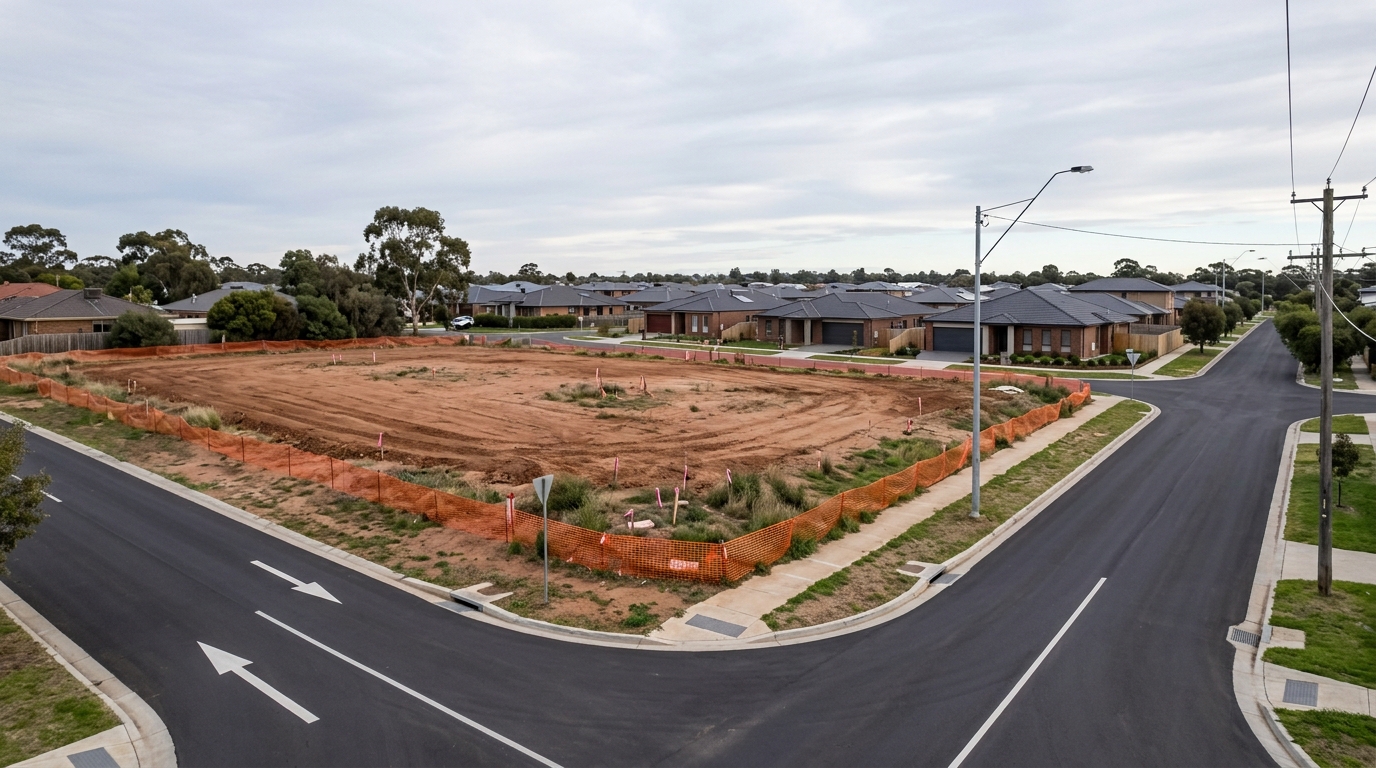
Navigating the residential construction market requires a strict, numbers-driven approach to consumer protection. When property buyers search for a definitive bad builders list or look up the worst builders Australia has to offer, they find that no single official government blacklist exists. Creating or publishing an unverified private blacklist introduces significant defamation risks and lacks regulatory accuracy.
Written by Daniel Whitfield, founder of Australia Develops, who has personally bought, subdivided, and built property across Australia.
Instead, state and territory governments maintain comprehensive, real-time public registers, licence validation networks, and statutory disciplinary tracking systems. Using these official portals allows consumers to inspect a contractor’s complete corporate history, active industrial disputes, paid insurance claims, and structural rectification orders before signing a contract.
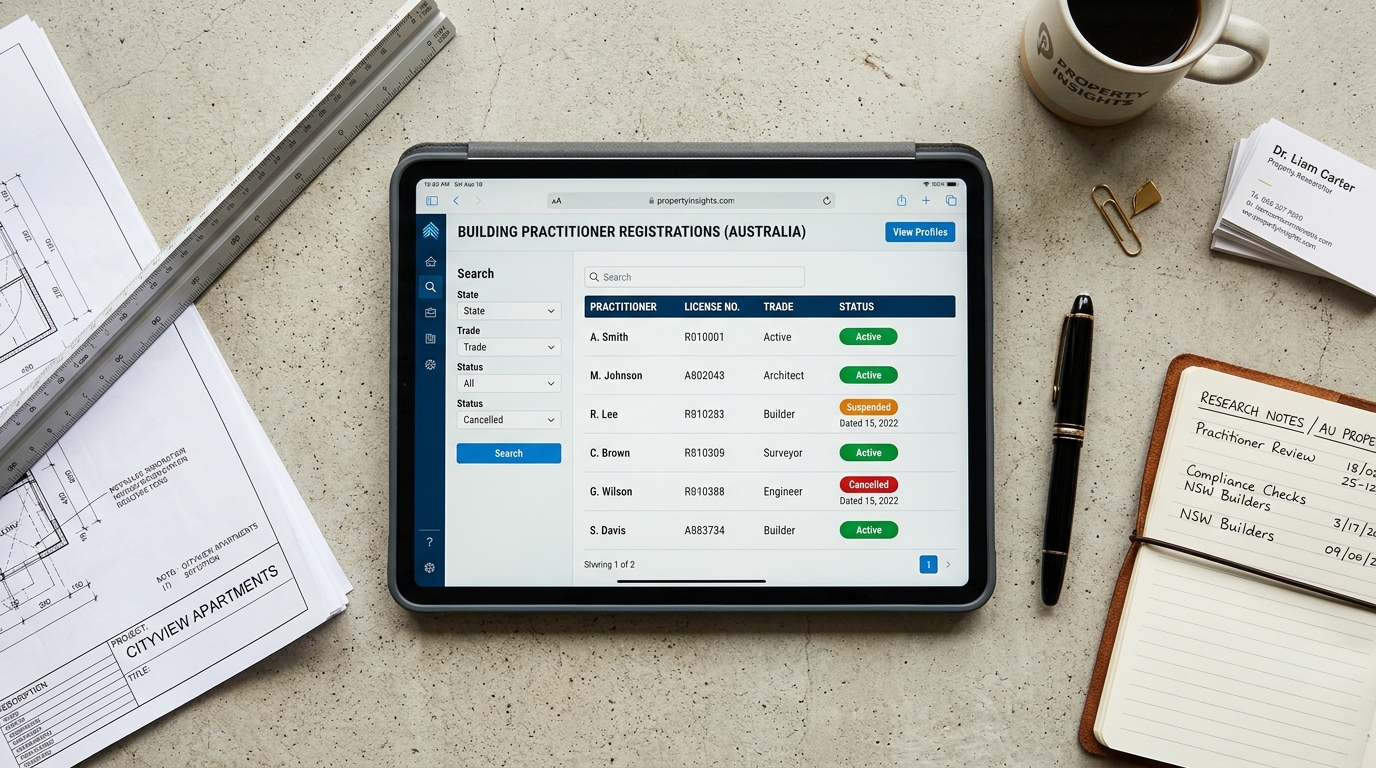
State and Territory Regulator Registers: Where to Verify a Builder
A thorough cross-state check is essential because an operator with a poor history in one state may attempt to register a new corporate entity in a neighbouring jurisdiction.
Every Australian state and territory operates an independent statutory authority tasked with licensing and monitoring building contractors.
| Jurisdiction | Licensing Authority & Public Register Portal | What the Public Register Reveals | Critical Gaps & Omission Issues |
| NSW | Service NSW Builder Licence Check & NSW Fair Trading Public Register | Current licence status, conditions, public warnings, finalised disciplinary actions, and historic home building insurance payouts. | Active, unresolved customer complaints; ongoing operational investigations. |
| VIC | VBA Find a Practitioner Tool | Current practitioner registration categories, domestic building insurance eligibility, and historical tribunal findings. | Historical corporate directorship links to unrelated insolvent businesses. |
| QLD | QBCC Licence Search | Demerit point balances, formal directions to rectify, infringement notices, and historic Home Warranty Scheme claims. | Out-of-state regulatory offences; private civil contract settlements. |
| WA | WA Building and Energy Provider Search | Active and inactive builder registrations, past tribunal building remedy orders, and disciplinary conditions. | Real-time commercial credit solvency positions. |
| SA | SA CBS Occupational Licence Public Register | Conditions, formal enforcement warnings, conditions, and active contractor licence status. | Private residential contractual mediation logs. |
| ACT | Access Canberra Construction Occupations Licence Register | Active licence status, rectification orders, and historical regulatory penalties. | Pending civil magistrate dispute files. |
Decoding Regulatory Status Terms: What the Records Mean
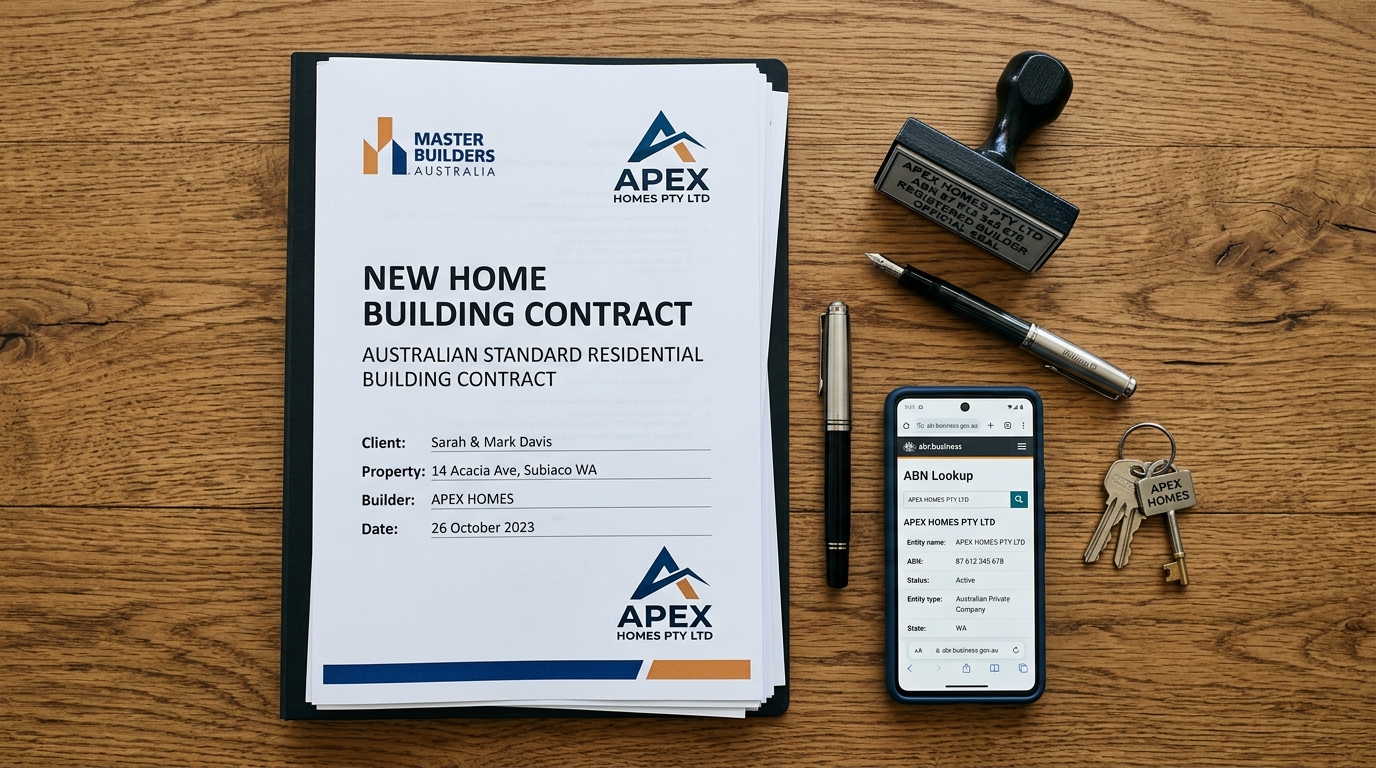
Understanding the exact definitions used on a state builder register is vital to protecting buyer capital. Regulators use specific terms that carry distinct legal and operational consequences for an active construction project.
1. Licence Suspended vs. Cancelled
A suspended builder is legally prohibited from executing any building works, signing new residential contracts, or collecting progress payments during the suspension window. Suspensions often stem from failing to maintain mandatory home building compensation insurance, non-compliance with rectification orders, or an immediate financial solvency risk. A cancelled status means the licence has been completely revoked due to severe statutory breaches, fraud, or long-term structural misconduct.
2. Disciplinary Action and Public Warnings
When a regulator finalises a disciplinary proceeding, the details are recorded on the public register. This can include financial penalties, mandatory management education, or the addition of restrictive conditions to the licence. A public warning is an urgent notice issued by consumer protection agencies alerting the community to avoid dealing with a specific individual or entity due to an immediate risk of financial loss or structural danger.
3. Directions to Rectify and Work Orders
A high volume of formal rectification notices on a contractor’s record serves as a primary warning sign. While minor defects occur in standard construction, a consistent pattern of unresolved orders may indicate poor quality control. Failing to comply with an official direction to rectify is a serious offence that frequently leads to immediate licence suspension.
Bad Builders Register Red Flags: What to Look For
A clean licence search is a minimum entry requirement, but it does not completely guarantee a successful project completion.
Property buyers must cross-check multiple databases to uncover hidden corporate patterns, particularly in fast-growing corridors where builder volume is high — Australia Develops’ Austral Precinct Development 2026 guide covers one such growth area.
| Register Variable / Warning Sign | Hidden Operational Risk | Immediate Protective Action Required |
| Director linked to historical cancellations | High risk of illegal phoenix activity (shutting down an old company to avoid debts). | Cross-reference the executive names on the national company database. |
| Discrepancy between quote name and licence | The entity signing the contract may lack the legal insurance or credentials to build. | Run an identity verification via the official ABN Lookup Portal. |
| Absence of Home Building Insurance details | Homeowner left exposed to total financial loss if the builder becomes insolvent. | Validate the certificate layout directly through the state insurance validation network. |
| Accumulation of active demerit points | The building company is nearing the threshold for a mandatory statutory industry ban. | Audit the comprehensive disciplinary history on the local regulator’s database. |
Bad Builders Register Check: Step-by-Step Due Diligence
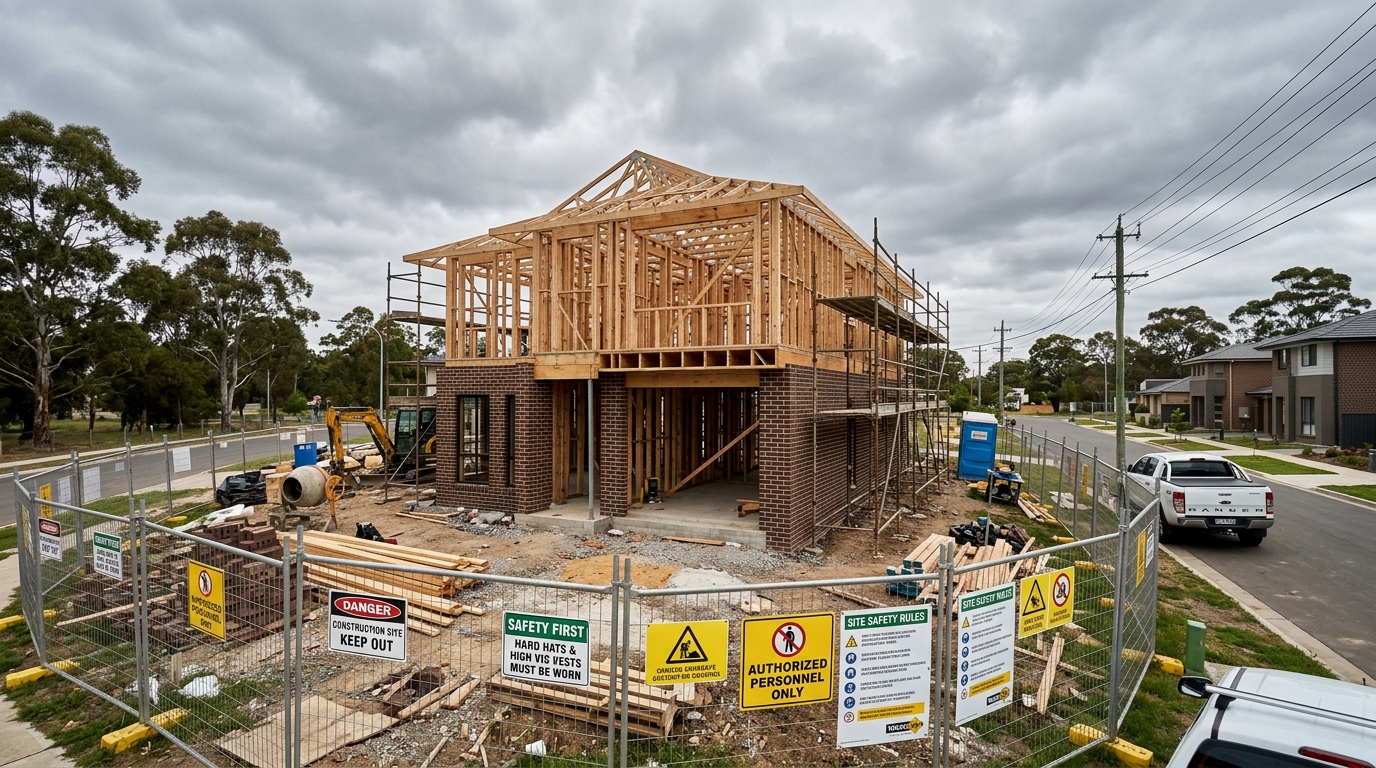
Identifying the worst builders Australia registers flag requires a structured process. Before transferring any holding deposit or executing a preliminary tender agreement, investors, property owners, and developers should follow a standardised workflow.
Step 1: Validate Legal Entity and Structural Ownership
Never rely solely on a trading name printed on a marketing brochure. Request the exact Australian Business Number (ABN) and Australian Company Number (ACN). Verify that the entity on the quote matches the entity on the official ABN Lookup Portal. The same verification discipline applies to the land itself — buyers purchasing a block still under registration face title uncertainty of their own, covered in Australia Develops’ guide to unregistered land in Australia. If planning an alternative project layout, such as a transportable modular asset, verify that the legal entity is fully covered for site works by checking the core parameters of modular home builds.
Step 2: Search the State Regulator Licence Register
Execute a targeted search on the state portal, such as the QBCC Licence Search or the Service NSW Builder Licence Check. Confirm that the licence is active and covers the correct class of work. If developing a secondary property asset, review the specific structural constraints outlined in the NSW granny flat building guide to confirm the builder holds the appropriate residential credentials.
Step 3: Audit Disciplinary Records on the Register
Examine the compliance and enforcement tabs on the public registry. Look for paid warranty claims, unresolved structural defects, or historical civil tribunal decisions. If undertaking a multi-unit project, verify that the builder has experience handling regulatory parameters like property easements without triggering local council stop-work notices.
Step 4: Examine Insolvency Risks and Asset Controls
Check the ASIC Published Notices Website to ensure the building company is not under voluntary administration, restructuring, or court-ordered liquidation. Financial instability is a primary driver of sudden site abandonments. For complex developments like a dual occupancy project, a builder’s liquidity position is just as critical as their onsite structural capability.
Step 5: Verify Home Warranty Insurance Policies
Buyers should ensure the builder provides an authentic certificate of insurance before any deposit is paid. This coverage protects buyer funds if the contractor becomes insolvent or disappears during construction. Failing to secure this insurance can lead to significant out-of-pocket expenses that quickly outpace standard hidden building costs.
- All 18 checks, with space for licence numbers and dates
- A record-of-checks table you can keep with the contract
- Which ASIC extract shows every company a director has been part of
Enter your email and the PDF arrives straight away. You will also get occasional emails about Australian property and development. Unsubscribe any time. See the Privacy Policy.

Company Risk Profiles: Phoenix Activity and Repeat Offenders
A clean regulator profile on the worst builders Australia list can mask underlying financial vulnerabilities if the corporate structure itself is unstable. Savvy property buyers should screen for corporate risk profiles before executing a contract.
The Mechanism of Phoenix Activity
Illegal phoenix activity occurs when directors intentionally shut down an indebted corporate entity to avoid liabilities, such as outstanding consumer rectification claims or sub-contractor debts. They then quickly establish a new entity under a different name to continue operations. To spot this, look for newly registered companies with directors who have history with multiple deregistered or liquidated building firms.
Inspecting Corporate History via Public Notice Platforms
The ASIC Published Notices Website tracks national corporate insolvency, administration, and winding-up applications. Consumers can search this platform to see if a building company has active winding-up notices filed by creditors or the Australian Taxation Office (ATO). Investing in a comprehensive company extract reveals historical changes in share structures, registered offices, and executive appointments, serving as a reliable early indicator of corporate distress.

Comprehensive Builder Onsite Assessment Checklist
Before finalising a contractor selection — using worst builders Australia register data as the primary filter — buyers should complement digital register checks with these on-site due diligence verifications:
[ ] Review Active Job Sites: Request addresses of current, live projects and inspect them from the boundary line to verify safety standards and active trades. It is worth checking whether any active site sits within a bushfire or flood overlay too, since these can materially change the build cost — see Australia Develops’ guide to flood and bushfire maps in Australia.
[ ] Interview Recent Clients: Speak directly with property owners who completed a build with the contractor within the past 12 to 24 months.
[ ] Verify Sub-Contractor Payment History: Check with regular local trade suppliers to confirm the builder settles material accounts within standard commercial terms.
[ ] Confirm Dedicated Supervisor Availability: Ensure a qualified Site Supervisor is formally assigned to the project rather than managing too many distant builds simultaneously.
[ ] Audit Independent Handover Reports: Ask to see generic examples of past practical completion inspection reports to evaluate their typical defect resolution rates.
A clean disciplinary record is only half the picture — the land the builder will be working on matters just as much.
The video below follows a real example of buying and preparing a block for construction in the Bringelly growth corridor, including the site checks worth doing before a contract is signed.
Legal and Financial Disclaimer: The analytical frameworks and public register guides provided in this article are intended for general informational, educational, and research purposes only. This content does not constitute formal legal counsel, financial advice, or professional construction management guidance. Building regulations, registry functionality, and corporate laws are subject to change. Property owners must obtain independent legal advice from a specialised construction lawyer and verify live records with the appropriate state regulator before executing any residential construction contract.
Is There a Bad Builders Register in Victoria?
No Victorian register carries that name. The information sits in two separate places, and both are free to search.
The Victorian Building Authority holds the register of building practitioners. It shows whether a registration is current, suspended or cancelled.
Consumer Affairs Victoria handles domestic building disputes and publishes its own enforcement outcomes. A builder can hold a current VBA registration while carrying a record there.
Checking only one of the two is the common mistake. A clean practitioner registration does not on its own confirm an absence of complaint history.
Is there a national bad builders register in Australia?
No. Australia has no single national register. Each state and territory regulator publishes its own licence and disciplinary records separately.
How do I check if a builder is licensed?
Search the regulator in the state where the work will be carried out, using the builder’s full name and the company ACN. Licence searches are free.
Can a builder disciplined in one state work in another?
Yes. Registers are state-based and do not automatically share disciplinary history. Checking only the current state can miss a record held elsewhere.
What is the difference between a suspended and a cancelled builder licence?
A suspension pauses a licence for a set period or until conditions are met. A cancellation ends it. Neither holder may lawfully contract for the licensed work while it is in force.