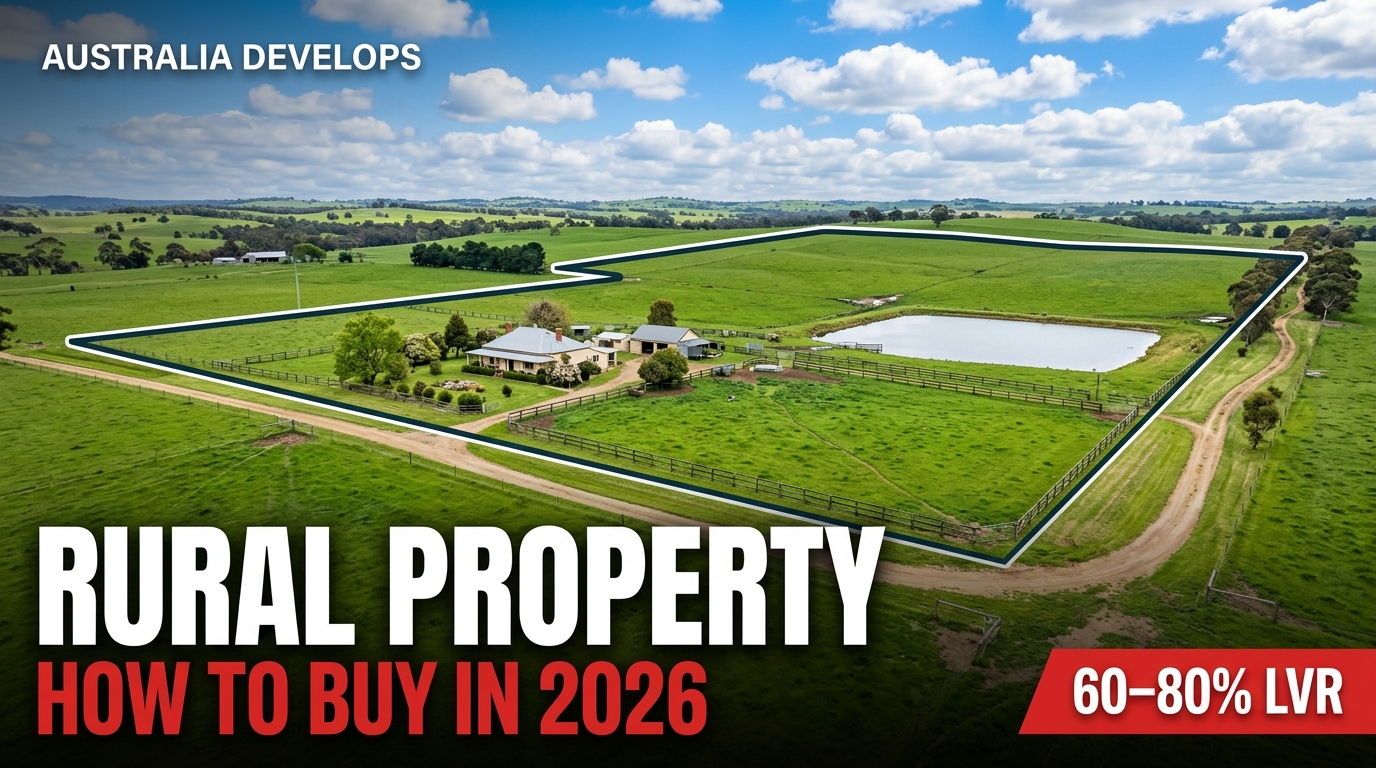
Buying rural property in Australia in 2026 is different from purchasing a suburban home. Finance rules are stricter. The due diligence checklist is longer. Valuations are more expensive.
Risks include environmental contamination, water disputes, and rezoning uncertainty. These risks are harder to identify without specialist knowledge. Yet rural property offers advantages that urban real estate cannot.
These include scale, privacy, lifestyle flexibility, and agricultural income potential. In some regions, land price growth also follows infrastructure and demographic change. This guide explains rural finance, pricing, and due diligence in 2026. It focuses on NSW conditions.
Written by Daniel Whitfield, founder of Australia Develops, who has personally bought, subdivided, and built property across Australia.
Broader investment conditions also matter. Commercial Real Estate Yields can influence land allocation decisions. Institutional Investment Infrastructure can shift access and servicing. Foreign Direct Investment (FDI) Australia trends may affect high-value agricultural markets.
Buyers can cross-check tax settings with the Australian Taxation Office and planning controls with NSW Planning. They can also review infrastructure priorities with Infrastructure Australia and foreign investment guidance with Austrade.
Rural Property Buying Essentials for 2026
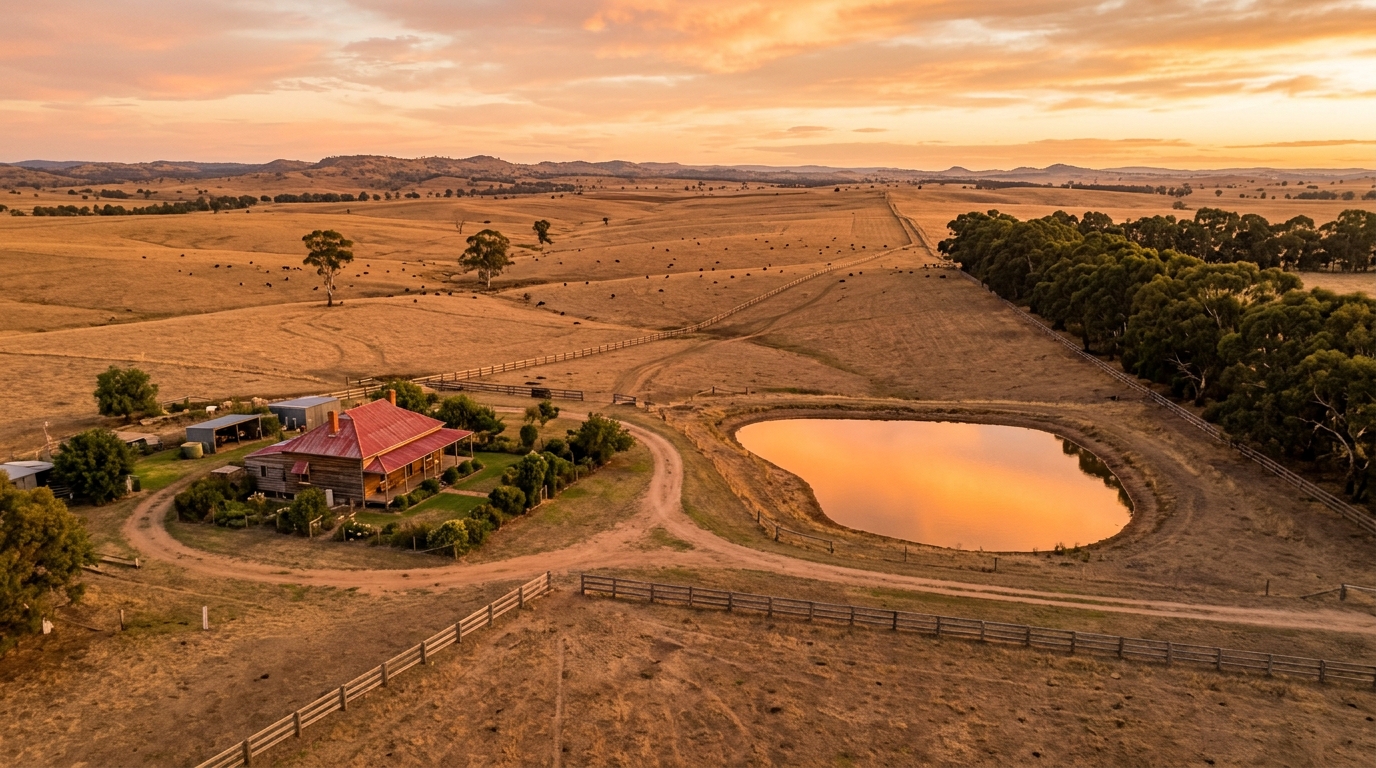
The rural property market spans many asset types. These range from five-to-fifty-hectare lifestyle blocks on urban fringes to commercial farms covering hundreds or thousands of hectares.
This price variation extends well beyond individual property features. Location within a state, and the state itself, are two of the biggest drivers of what a hectare of rural land actually costs.
Indeed, rural land prices per hectare vary enormously across Australian states. This reflects productivity, climate, and proximity to markets.
Rural Property Finance in 2026: LVR Rules and Lender Appetite
Finance is the most significant differentiator between buying rural property and purchasing a standard residential dwelling, and the rules in 2026 are materially more restrictive than many first-time rural buyers expect.
The loan-to-value ratio (LVR) that lenders will accept varies significantly depending on the property type, size, location, and proposed use.
For lifestyle acreage properties of less than ten hectares with a residential dwelling and no commercial agricultural component, major lenders will generally lend up to 80% LVR — broadly comparable to a standard residential mortgage — provided the property is within a reasonable distance of essential services and has a liquid resale market.
However, properties above ten hectares, or those zoned RU1 Primary Production or RU2 Rural Landscape under NSW planning instruments, attract more conservative LVR limits of 60% to 70% from major banks.
This is according to specialist rural finance providers Rivendell Rural Finance.
Non-Bank Lenders, Interest Rates and Approval Timelines
Non-bank and private lenders, which have become more prominent in the rural lending space as major banks have tightened their rural credit appetite, generally operate within a 50% to 70% LVR range for vacant rural land.
The outcome depends on the risk profile. For large-scale commercial agricultural properties — particularly those with specialist infrastructure such as irrigation systems, orchards, or intensive livestock facilities — deposits of 40% to 50% are common across both bank and non-bank lenders.
This reflects the specialist nature of the security and the narrower pool of buyers for such properties.
Interest rates in 2026 for rural property finance range from approximately 5.5% to 7.5% for standard variable rate products, with the spread reflecting property type, location, and borrower credit profile.
This is according to Rural Property Loans Australia 2026. Finance approval timelines for rural properties extend to 30 to 60 days in most cases. This reflects the time required for specialist property valuations and environmental assessments.
The Cost of Rural Property Valuation and Assessment
One of the most frequently underestimated costs in buying rural property is the upfront expenditure required to satisfy lender and due diligence requirements before purchase contracts can be finalised.
Rural property valuations are fundamentally different from the desktop or kerbside valuations commonly used for suburban residential properties.
A rural valuation typically requires a qualified valuer to physically inspect the property, assess the land quality, water access, infrastructure condition, and comparable sales in the local market — a process that may require the valuer to travel significant distances and spend several hours or days on-site for larger holdings.
The cost reflects this complexity: rural valuations in NSW in 2026 commonly cost between $2,500 and $6,000. By comparison, $400 for a standard suburban residential valuation.
For larger or more complex rural properties, specialist pastoral or agricultural valuations can exceed $10,000.
Environmental Site Assessments
In addition to the valuation, lenders financing rural properties with any history of intensive agricultural use — particularly properties that have historically supported cattle dips, orchards using persistent pesticides, intensive horticulture, or fuel storage — will typically require a Phase 1 Environmental Site Assessment before approving finance.
A Phase 1 Assessment involves a desktop review of historical land uses, aerial photography, and a site inspection to identify potential contamination risks. It does not involve soil or groundwater testing, which would constitute a Phase 2 Assessment.
The cost of a Phase 1 Assessment in NSW in 2026 is approximately $3,000, and the process typically takes two to three weeks.
If the Phase 1 identifies potential contamination risks, a Phase 2 Assessment — involving soil sampling and laboratory analysis — may be required, adding further cost and time to the finance process.
Consequently, buyers of rural properties with any ambiguity in their land use history should budget for these costs and factor the timeline into their purchase negotiations.
These upfront costs apply regardless of whether a purchase ultimately proceeds, which is why experienced buyers budget for valuation and assessment fees before making an offer rather than after it is accepted.
Moreover, specialist rural valuation and environmental assessment costs are substantially higher than for a standard suburban purchase.
Rural Property Due Diligence: What to Check Before You Buy
Due diligence on rural property in Australia is substantially more complex than on a standard suburban residential purchase, and the consequences of inadequate due diligence can be significantly more costly.
The following checklist covers the key areas that buyers of rural property in NSW should investigate before committing to purchase, recognising that the specific requirements will vary based on the property type, size, and intended use.
Title and Encumbrances
A thorough title search is the foundation of rural property due diligence. Unlike suburban properties, rural land is more likely to carry easements — for powerlines, telecommunications infrastructure, pipelines, or access roads — that can significantly constrain development and use.
Restrictive covenants imposed by previous owners or government agencies may limit subdivision, clearing of native vegetation, or construction of certain structures.
Furthermore, rural properties are more likely to have historical caveats or charges registered against the title from agricultural financiers or government agencies.
The title search should be conducted by a solicitor with rural property experience, and all encumbrances should be reviewed in terms of their practical impact on the intended use of the property before exchange of contracts.
Buyers should also understand the broader landscape of title risk before exchanging contracts. Australia Develops’ guides to property easements in NSW and unregistered land risks cover related title issues that also affect rural purchasers, particularly around access rights and registration gaps in regional land parcels.
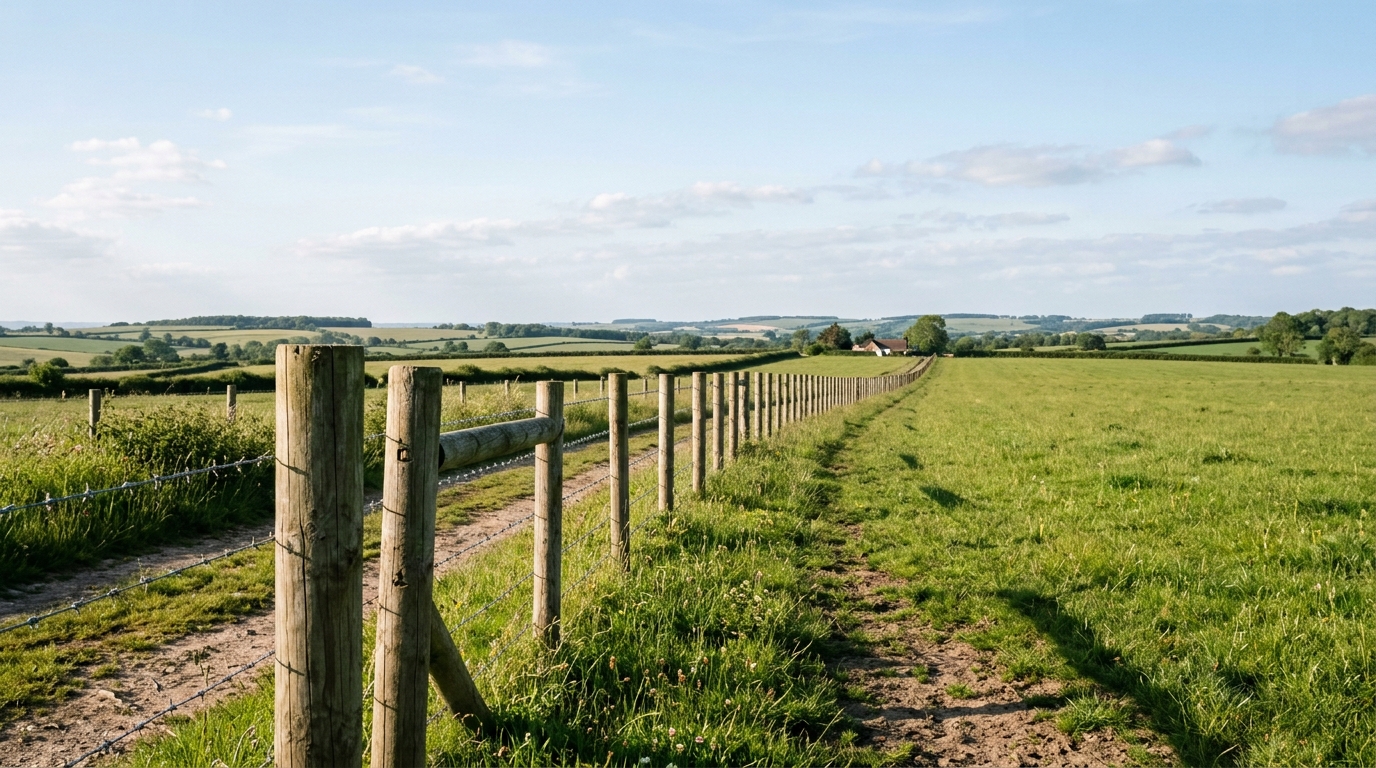
Water Rights and Access
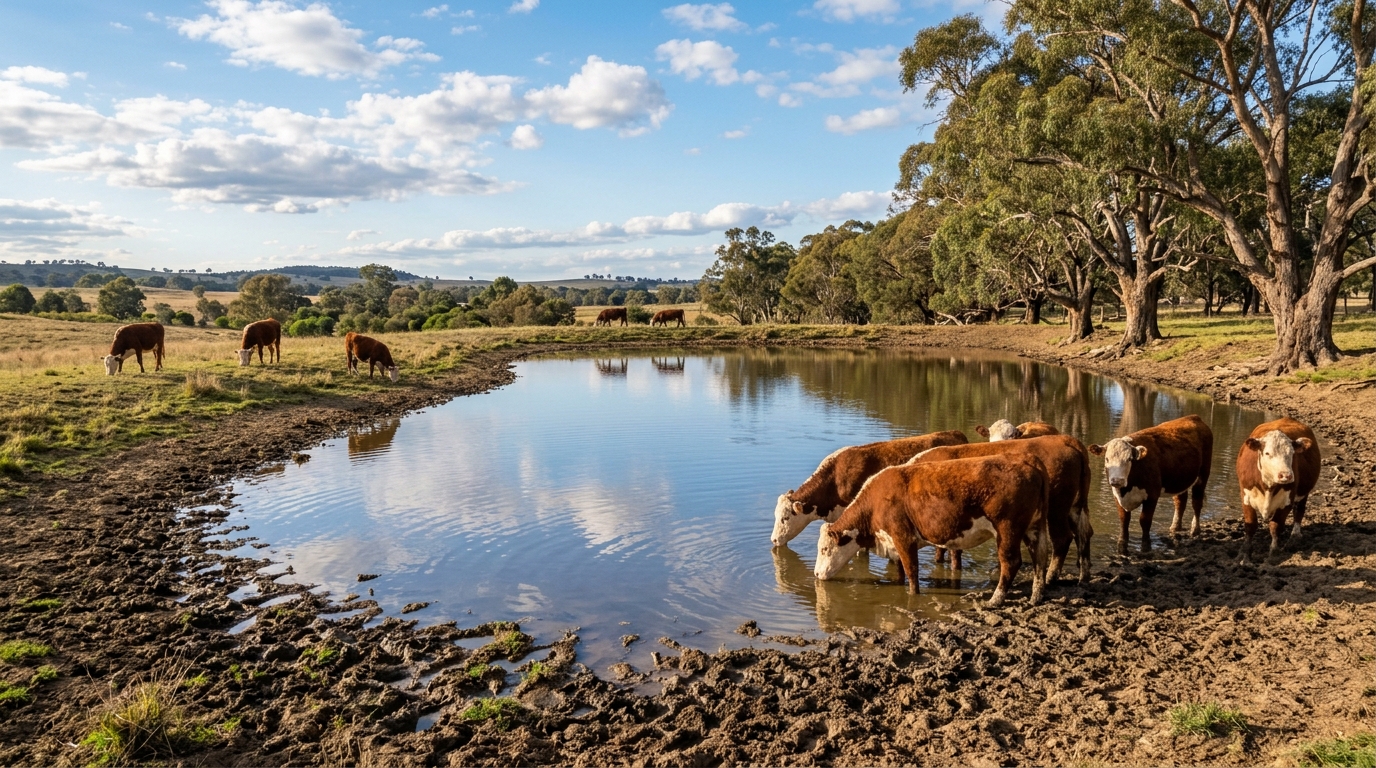
Water access is frequently the most consequential due diligence item for rural properties in NSW. Properties with access to reliable water — whether through a dam, bore, creek frontage, or irrigation entitlement — command significant price premiums over comparable properties without water security.
Buyers should verify the existence and status of any water licences or entitlements attaching to the property through the WaterNSW WINS (Water Information and Licensing) portal, confirm the dam’s capacity and spillway condition if applicable, obtain a bore yield test if the property relies on a bore for water supply, and investigate any riparian rights associated with creek or river frontage.
The NSW Water Management Act 2000 governs water access rights, and changes to allocation shares in stressed catchments have affected the value and security of water entitlements in some agricultural regions.
Zoning and Planning Controls
The zoning of a rural property under the relevant Local Environmental Plan (LEP) determines what uses are permitted and what subdivision potential exists.
In NSW, most rural land is zoned RU1 Primary Production, RU2 Rural Landscape, RU4 Primary Production Small Lots, or RU5 Village, each with distinct minimum lot sizes for subdivision and permitted uses.
Buyers intending to subdivide rural land, operate a commercial agricultural business, or construct additional dwellings should confirm the applicable LEP controls with the relevant council before purchase, as the planning framework governs what is achievable with the property.
Additionally, the proximity of the property to the urban expansion boundary — as defined in the relevant Regional Plan — may affect the long-term rezoning potential for residential development, which is a separate consideration from agricultural or lifestyle use.
Additionally, many rural lifestyle buyers plan to add a secondary dwelling for family, farm workers, or additional income.
Australia Develops’ guide to granny flat rules in Australia outlines the approval pathways and size limits that apply, which differ from standard suburban secondary dwelling rules on larger rural lots.
Biodiversity and Vegetation
Properties carrying native vegetation are subject to the NSW Biodiversity Conservation Act 2016 and the associated Biodiversity Offsets Scheme.
Clearing of native vegetation without appropriate approvals can result in substantial penalties, and properties with significant biodiversity values may have constraints on land management activities including clearing, cultivation, and construction.
A biodiversity assessment or Biodiversity Development Assessment Report (BDAR) may be required for certain development proposals, adding cost and time to any development plans.
Buyers should identify the extent of native vegetation on the property and seek advice on the implications for their intended use before committing to purchase.
Additional Environmental and Risk Considerations
Environmental risk extends beyond vegetation clearing controls. Buyers should also consult Australia Develops’ guide to flood and bushfire mapping tools, which are particularly relevant for rural properties given their typically larger exposure to natural hazard zones compared with suburban blocks.
Working through each of these checklist items with a solicitor, valuer, and other specialist advisers before exchange is the single most effective way to avoid costly surprises after settlement.
Rural Land Prices in NSW 2026: What Are You Paying?
Rural land prices in NSW vary enormously by region, productivity, water access, and proximity to metropolitan centres. At the broadest level, the most productive agricultural land in NSW — irrigation country in the Murray-Darling Basin, the black soil plains of the Liverpool Plains and Namoi Valley, and prime dairy country on the South Coast — commands prices well above the state average, driven by competition from corporate agricultural investors, family farming enterprises expanding their operations, and foreign investors attracted by Australian agricultural assets.
By contrast, drier and more remote grazing country in central and western NSW offers much lower prices per hectare. This reflects the higher operational costs and climate risk associated with these landscapes.
This price behaviour contrasts with the broader Sydney market, where Australia Develops’ coverage of the Sydney property price drop in 2026 shows established suburban values easing, even as well-located rural and lifestyle land in growth corridors continues to hold or increase in value.
Lifestyle Acreage Pricing Near Sydney
For lifestyle acreage buyers in NSW — the largest buyer segment by transaction volume in 2026 — prices are largely determined by proximity to Sydney and regional centres.
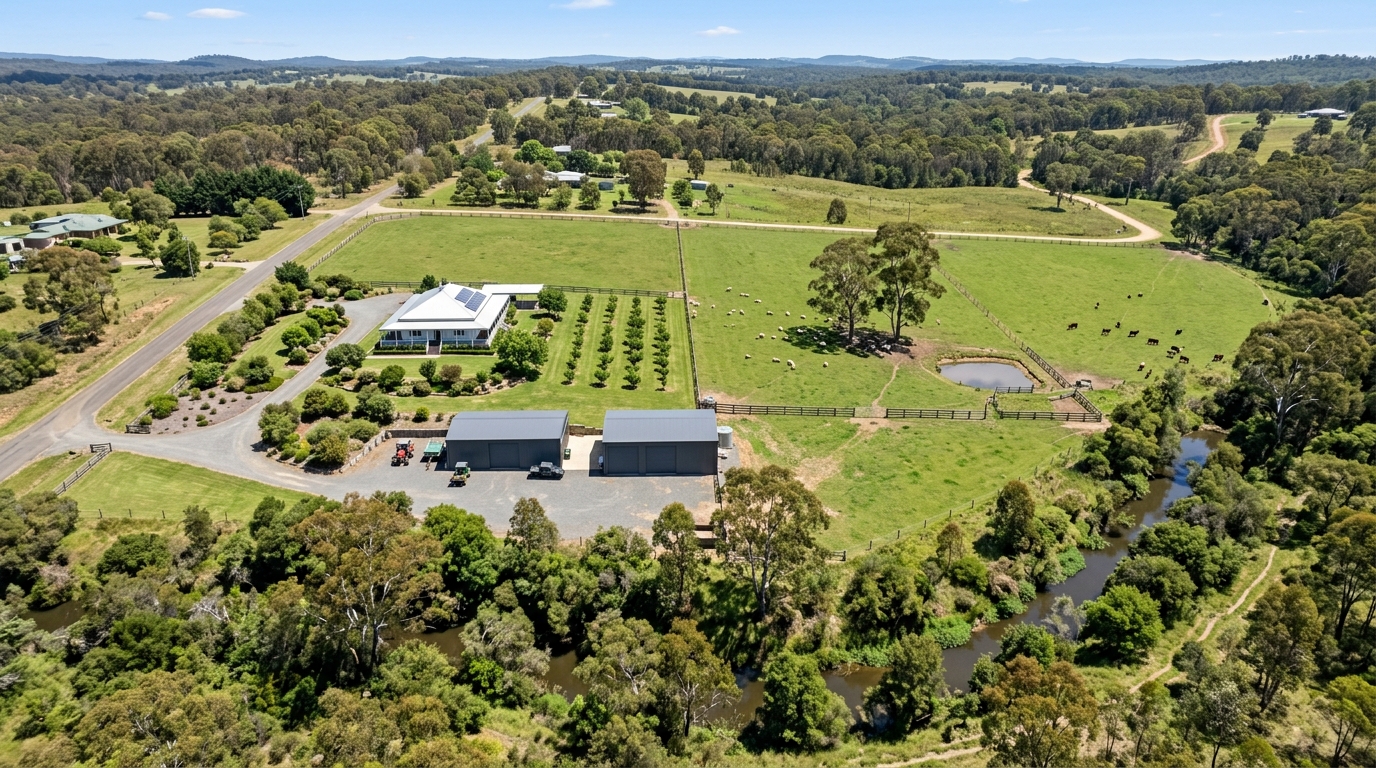
Properties within 90 minutes of Sydney — in the Southern Highlands, the Hawkesbury, the Blue Mountains foothills, and the Hunter Valley — command significant premiums, with five to twenty hectare lifestyle blocks regularly trading above $1.5 million to $3.0 million in established districts.
In the Macarthur region — where the development of the Western Sydney International Airport and the growth of Campbelltown and Camden LGAs is reshaping land values — acreage on the rural-urban fringe has experienced above-average price growth.
As covered in Australia Develops’ guide to Camden and Oran Park Development 2026, the southern growth corridor between Camden and Wilton is one of the most active planning areas in Greater Sydney, and rural land in the vicinity of planned residential expansion has attracted speculative buyer interest.
In particular, lifestyle acreage within 90 minutes of Sydney commands a significant premium over more remote rural land.
Conveyancing, Settlement, and Ongoing Obligations
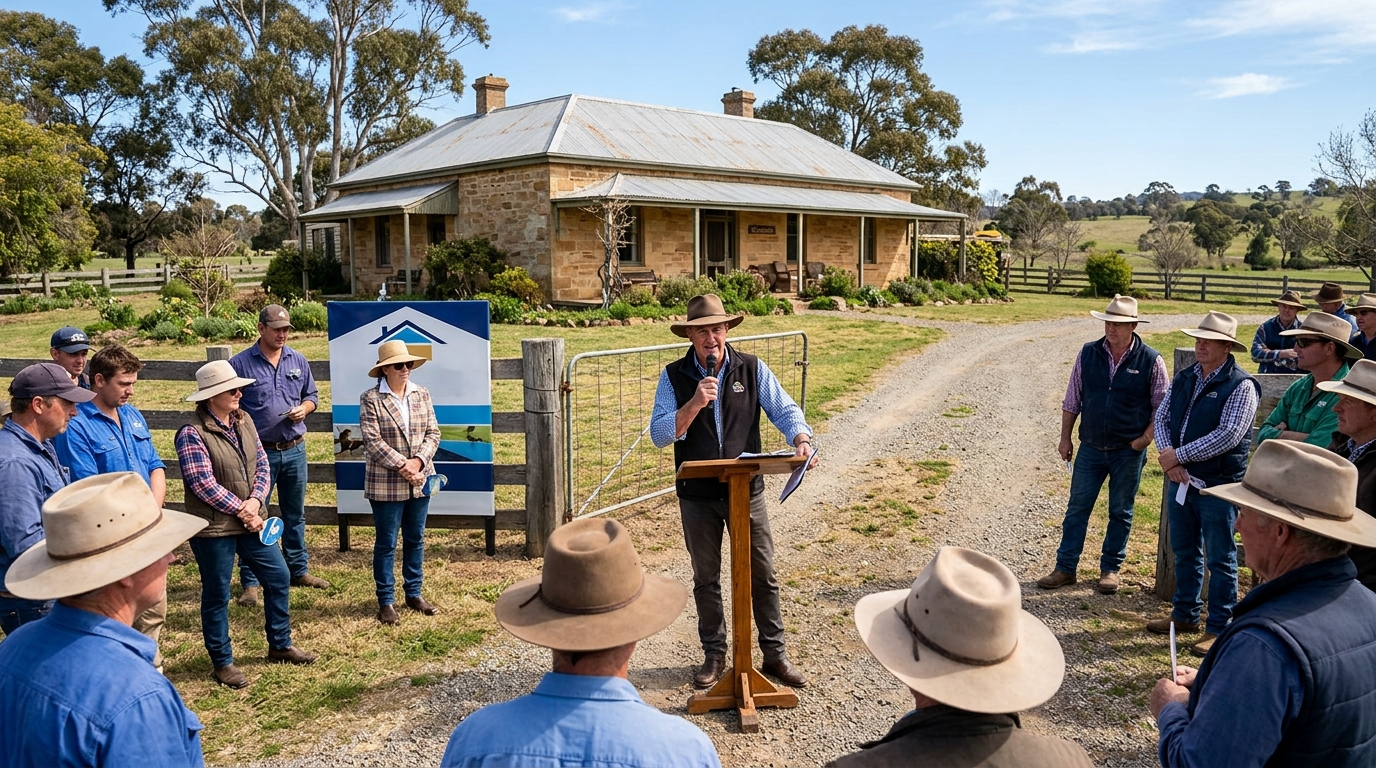
The conveyancing process for rural property in NSW follows the same basic framework as residential conveyancing — exchange of contracts, payment of deposit, cooling-off period (five business days for residential, negotiated for rural), and settlement — but with several additional considerations.
The contract for sale of rural property will typically include a range of special conditions addressing items such as existing tenancy agreements over the land, the treatment of any livestock, machinery, or farm equipment included or excluded from the sale, the transfer of water licences and other licences attaching to the property, and any access or grazing arrangements with neighbouring properties.
Buyers should ensure their solicitor reviews all special conditions carefully and seeks clarification on any provisions that are ambiguous or potentially onerous before signing.
Foreign Investment Review (FIRB) Requirements
Additionally, the purchase of rural property in Australia may trigger foreign investment review requirements if the buyer is a foreign person as defined under the Foreign Acquisitions and Takeovers Act 1975.
Foreign persons acquiring agricultural land with a value above certain thresholds — currently $15 million for most foreign investors — must seek approval from the Foreign Investment Review Board (FIRB) before completing the purchase.
The thresholds and exemptions are complex and depend on the nationality and structure of the buyer, and foreign buyers should seek specific legal advice before entering into any rural property transaction.
Both the finance and conveyancing sides of a rural purchase move on a different timeline to a standard residential deal, and buyers who plan for this in advance avoid the most common settlement delays.
Key Data at a Glance — Buying Rural Property Australia 2026
| Item | 2026 Guide |
|---|---|
| Max LVR — Lifestyle Acreage (<10ha, residential) | Up to 80% |
| Max LVR — Commercial Rural (RU1/RU2) | 60–70% (major banks) |
| Max LVR — Large-Scale Agricultural | 50–60% (deposit 40–50%) |
| Variable Interest Rate Range (2026) | 5.5%–7.5% |
| Rural Property Valuation Cost | $2,500–$6,000+ |
| Phase 1 Environmental Assessment | ~$3,000 (2–3 weeks) |
| Finance Approval Timeline | 30–60 days |
| NSW Lifestyle Acreage Price Range (5–20ha, <90 min Sydney) | $1.5M–$3.0M+ |
| FIRB Threshold (Foreign Buyers — Agricultural Land) | $15 million (most foreign investors) |
| Key NSW Rural Zoning Types | RU1, RU2, RU4, RU5 (check LEP for subdivision/use) |
Summary — Is Rural Property Right for You in 2026?
Buying rural property in Australia in 2026 rewards buyers who approach the process with preparation, specialist advisers, and a clear understanding of what they are acquiring.
The finance landscape is more restrictive than for suburban residential property, the due diligence process is longer and more expensive, and the risks — from water security to environmental obligations to planning constraints — are less standardised and harder to identify without experience.
However, for buyers who complete thorough due diligence and secure appropriate finance, rural property offers a combination of lifestyle, scale, and in well-chosen locations, land value growth potential that urban real estate cannot replicate.
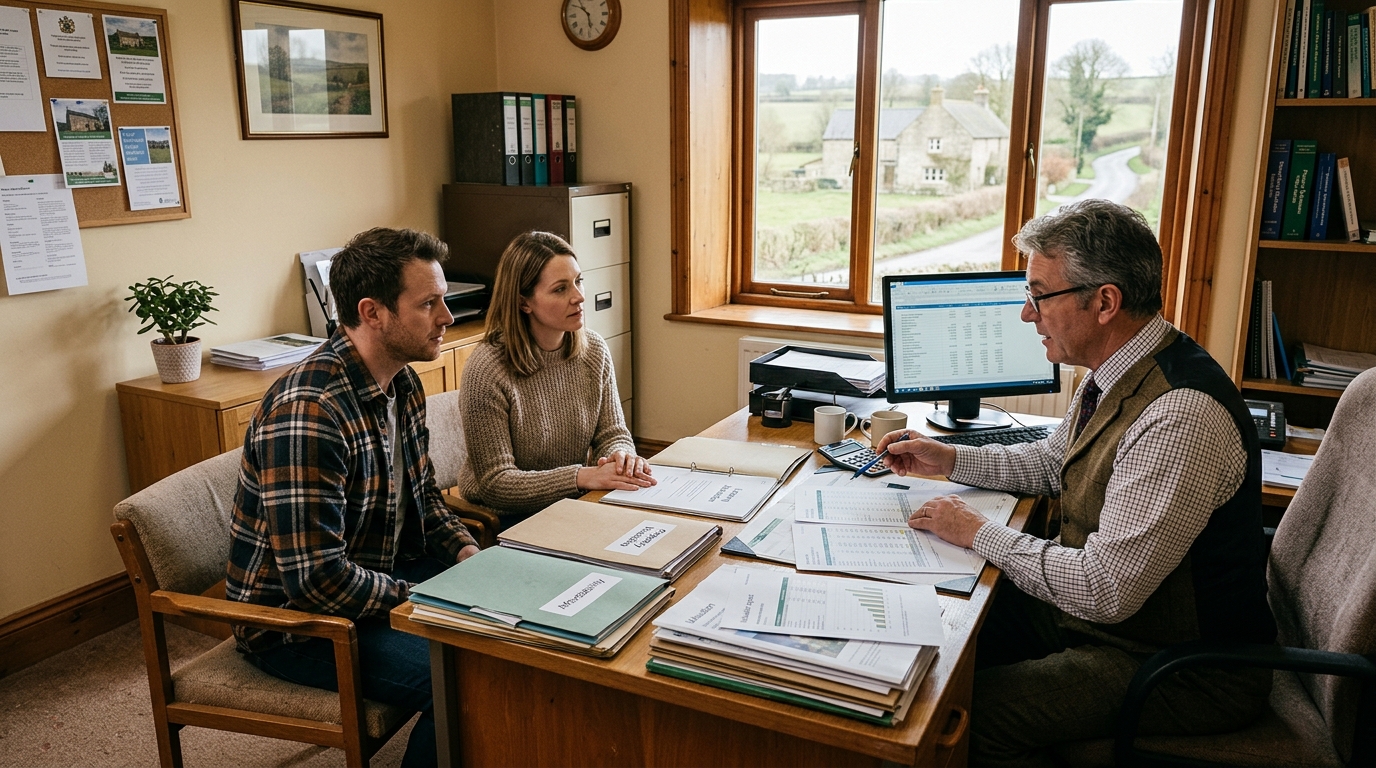
The most important single piece of advice for first-time rural property buyers is to engage specialist advisers at every stage: a solicitor with rural conveyancing experience rather than a generalist residential conveyancer, a financial institution or broker with active rural lending programs rather than a standard residential lender, and a rural property valuer rather than a suburban residential valuer.
The upfront cost of specialist advice is modest relative to the purchase price of rural property and the potential cost of unidentified problems discovered after settlement.
Additionally, buyers should conduct physical inspections at multiple times of year where possible — particularly in the context of water security, where a dam or bore that appears adequate in spring may be insufficient in summer — and should resist the temptation to complete due diligence hurriedly in a competitive buying environment.
The Greater Sydney Fringe: A Special Case
For NSW buyers specifically, the intersection of infrastructure investment, planning reform, and population growth in the Greater Sydney fringe — particularly the Macarthur and Hawkesbury regions — is creating a more complex rural property landscape where the line between agricultural, lifestyle, and urban-fringe land use is increasingly blurred.
Properties that today are genuinely rural may be within a growth corridor boundary in five to ten years.
Understanding the planning context, as covered in Australia Develops’ guides to Western Sydney Aerotropolis and Liverpool City Centre Rezoning, is therefore as relevant for rural buyers in the Greater Sydney fringe as it is for urban property investors.
Overall, a disciplined rural property buyer follows a consistent five-step process from pre-approval through to settlement.
Frequently Asked Questions
The following questions cover the points that come up most often when buyers are weighing whether a rural purchase is right for them in 2026.
What LVR can I get on rural property in Australia in 2026?
Lifestyle acreage under ten hectares with a residential dwelling can generally borrow up to 80% LVR. Commercial rural land zoned RU1 or RU2 attracts 60% to 70% from major banks, while large-scale agricultural properties typically require a 40% to 50% deposit.
How much does a rural property valuation cost in NSW?
Rural valuations in NSW commonly cost between $2,500 and $6,000. By comparison, around $400 for a standard suburban valuation. Specialist pastoral or agricultural valuations for larger or complex holdings can exceed $10,000.
What should I check before buying rural land in NSW?
The four key due diligence areas are title and encumbrances, water rights and access, zoning and planning controls, and biodiversity and native vegetation constraints. A solicitor with rural property experience should review all four before contracts are exchanged.
Do foreign buyers need FIRB approval for rural property?
Foreign persons acquiring agricultural land above certain value thresholds, currently around $15 million for most foreign investors, must seek Foreign Investment Review Board approval before completing the purchase. Thresholds and exemptions vary by buyer nationality and structure.
This article is for general informational purposes only and does not constitute financial, investment, or legal advice. Seek independent professional advice before making property decisions. See our Disclaimer for details.