Buying an investment property in Australia now means navigating a genuinely different rulebook than it did two years ago. Negative gearing and capital gains tax both work differently depending on what you buy and when you bought it, and the gap between an established home and a new build has never mattered more. Here’s exactly how the rules apply right now, and what they mean if you’re weighing up a purchase.
| Rule | What Applies Now | Effective |
|---|---|---|
| Negative gearing, established homes | No longer deductible against income tax | New purchases from 12 May 2026 |
| Negative gearing, new builds | Still fully deductible, no cutoff | Ongoing |
| CGT 50% discount | Replaced by inflation-only indexing | New purchases from 1 July 2027 |
| Family trust income | Minimum 30% tax for high earners | From 1 July 2028 |
What Negative Gearing Actually Looks Like Now
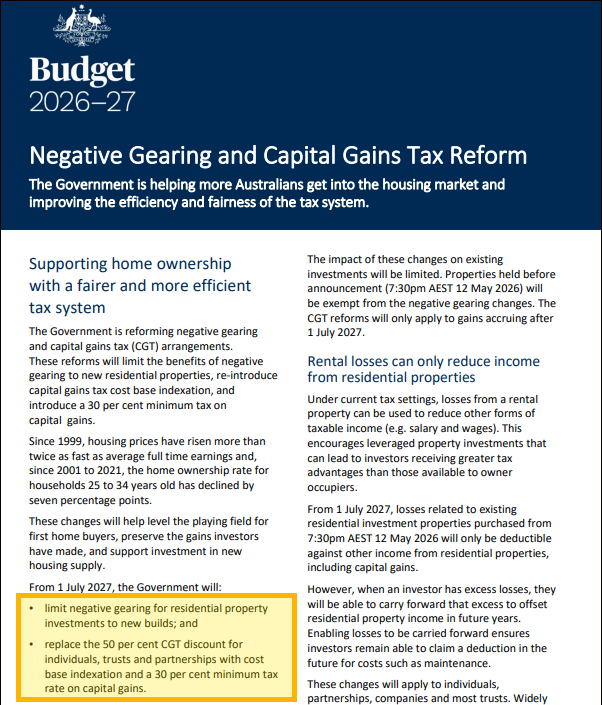
Buy an established home as an investment today, and you can no longer deduct the loss against your income tax the way investors have for decades. That change applies to any established property someone buys or exchanges from 12 May 2026 onward, under the federal budget reform passed that year. Anything you bought before that date keeps the old rules indefinitely — genuine grandfathering, not a temporary reprieve.
Even so, the deduction hasn’t disappeared entirely. Investors can still offset a loss against the rental income the property itself generates, and unused losses carry forward to reduce tax on future rental profits from the same property. What’s gone is the ability to use an established-home loss to reduce tax on your salary or other income.

New Builds Still Get the Old Negative Gearing Deal
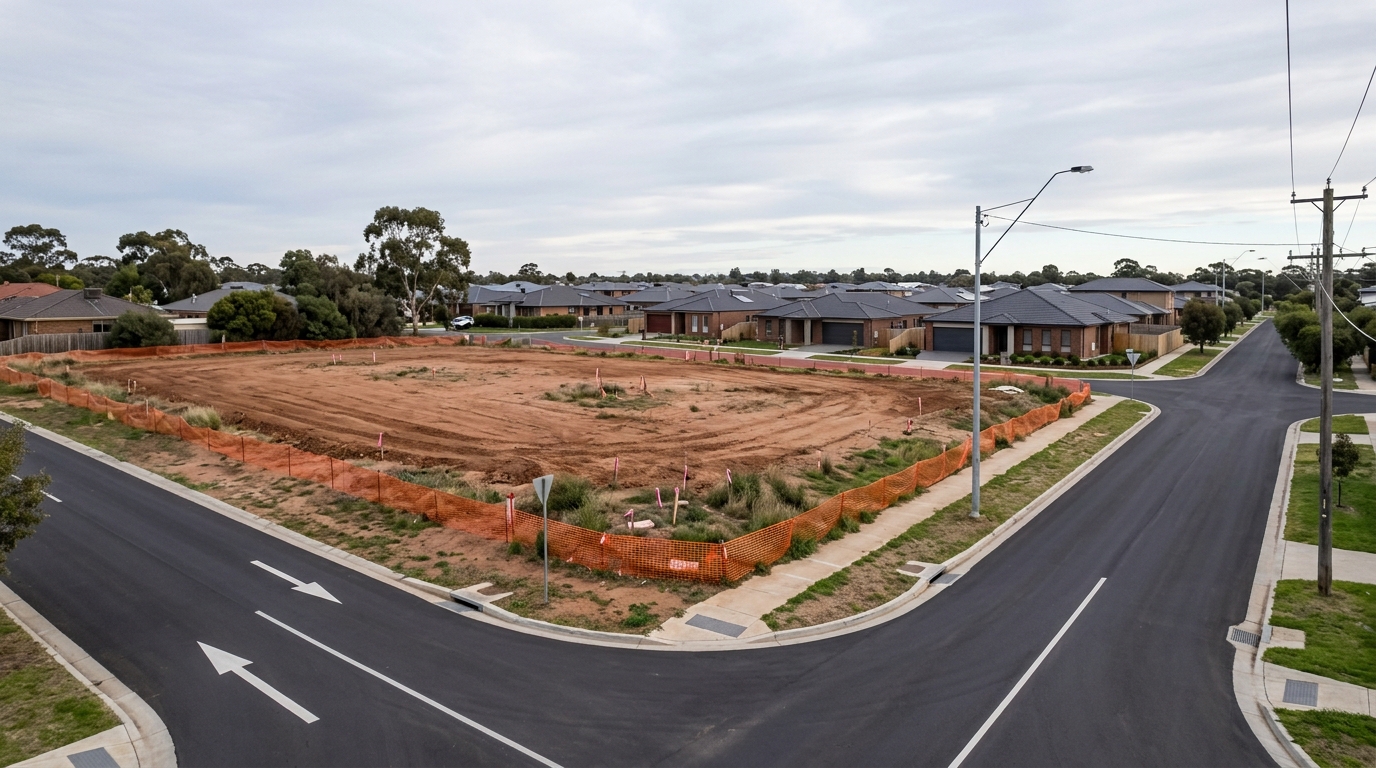
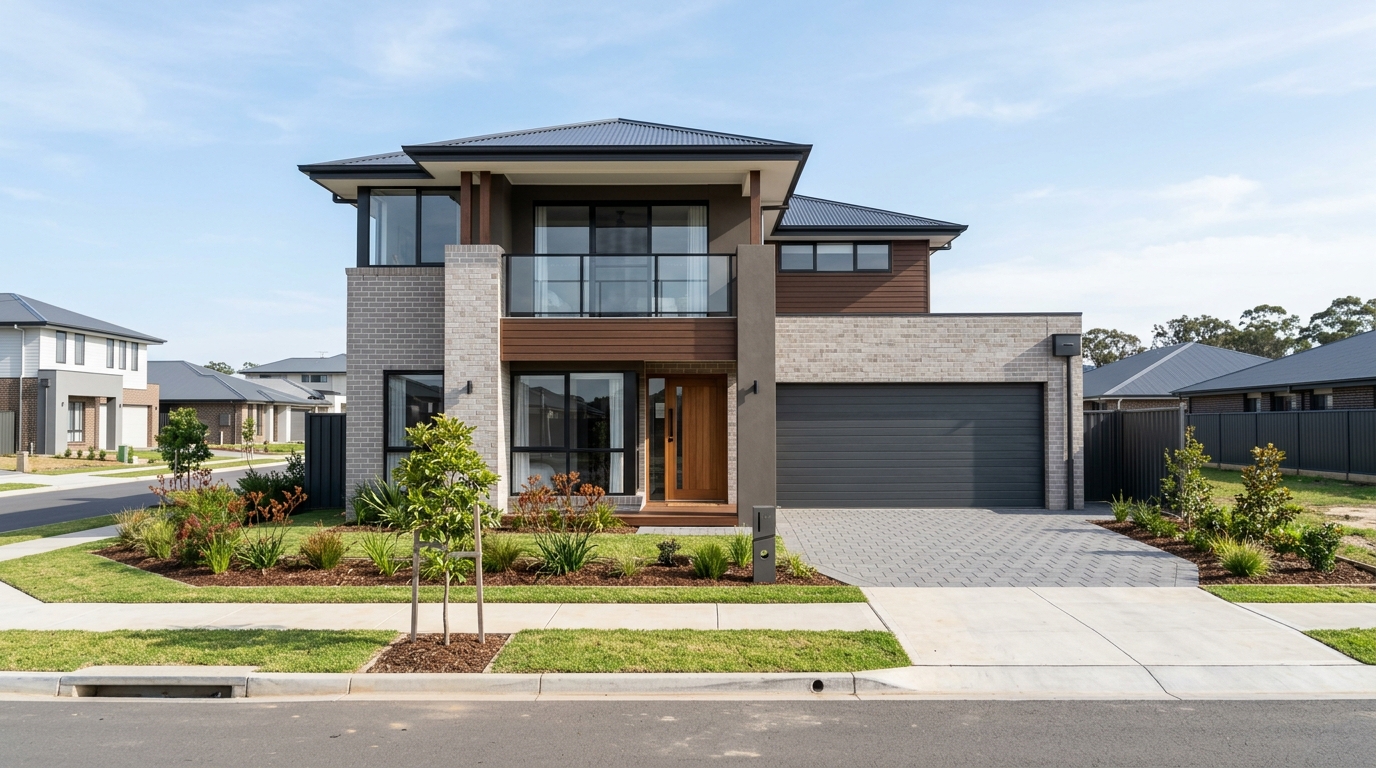
Build or buy a genuinely new dwelling, and negative gearing works exactly as it always has — full deductibility against income tax, no cutoff date. The definition matters here: a qualifying new build means construction on vacant land, or a demolition that increases the number of dwellings on the site. A straight knockdown-rebuild that replaces one house with one house doesn’t qualify, since it adds nothing to housing supply. That distinction is the whole point of the policy — Treasury wants investor money flowing into new construction, not competing with first-home buyers over the same existing stock.
Capital Gains Tax Is Changing More Slowly
So far, CGT hasn’t moved for most investors, and won’t until 1 July 2027. Until then, the 50 percent discount on gains held longer than a year still applies exactly as before. From that date, new purchases lose the flat 50 percent discount in favour of an inflation-only adjustment, plus a 30 percent minimum tax rate that applies regardless of your income bracket.
Buy an asset before July 2027, and it keeps the 50 percent discount if you sell before then. Sell after that date, though, and the calculation splits: the old rules tax gains that accrued before July 2027, and the new rules tax gains after, using either a formal valuation at the cutover date or a time-based apportionment formula. Your own home stays exempt throughout, and pensioners and income support recipients don’t face the 30 percent minimum rate. Meanwhile, new-build investors even get a choice — stick with the old 50 percent discount or switch to the new inflation method, whichever works out better.
If You Already Own an Investment Property
Still, nothing changes for anything you bought before the cutoff dates. Buy an established home before 12 May 2026, and it still lets you negative gear against income tax under the old rules, permanently, not just during a transition window. Sell a property before 1 July 2027, and it still gets the full 50 percent CGT discount. The reform targets future purchases, not existing portfolios — so the practical question for current owners is really just what happens if you buy again, not what happens to what you already hold.
Key Dates: What Changes When
What the Negative Gearing Change Means If You’re Buying Now
The math has shifted firmly toward new construction. An established three-bedroom house in an existing suburb no longer lets you negative gear against your salary, while the equivalent new build in a growth corridor like Yarrabilba, Wyndham Vale or Alkimos still does, in full, indefinitely. That’s not a small difference for anyone running the numbers on serviceability. It also lines up with where a lot of new supply is actually going up in the first place — the same greenfield suburbs already carrying most of Australia’s new housing construction.
There’s a lending angle here too. A bank still counts a negatively geared loss the same way it always has when assessing serviceability — but only if that loss actually reduces your tax bill. Buy an established home under the new rules, and the loss no longer does that, which changes how a broker or lender might frame your borrowing capacity even before tax time arrives. In practice, that pushes the new-build-versus-established decision earlier in the process, right back to the point where you’re comparing suburbs and off-the-plan options in the first place.
The Numbers Behind the Policy
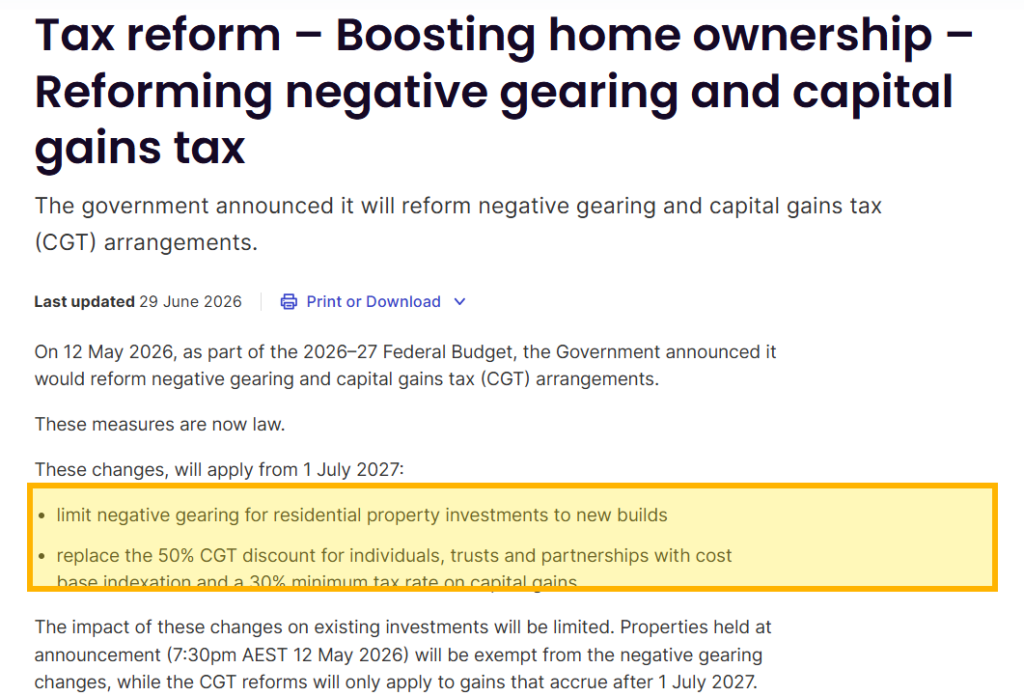
Treasury’s own modelling expects roughly 75,000 properties to shift from investors to owner-occupiers over the next decade, as the established-home market becomes less attractive to buy-to-let investors. The same modelling expects the market to deliver about 35,000 fewer new homes over that period, since reduced overall investor demand outweighs the redirection toward new construction. In total, the policy raises an estimated $77.2 billion in revenue over ten years, $3.6 billion of it in the near term. Full details of the reform sit on the ATO’s own explainer page. It also broke a specific election promise — the government had ruled out exactly this kind of change before the budget, and the backflip remains politically contested even as the policy takes effect.
The Numbers Behind the Policy (10-Year Treasury Estimates)
FAQ: Negative Gearing and CGT in 2026
Can I still negative gear an established investment property?
Only if you bought it before 12 May 2026. Purchases from that date onward can’t deduct rental losses against income tax unless the property is a qualifying new build.
What counts as a “new build” for negative gearing purposes?
Construction on vacant land, or a demolition and rebuild that increases the number of dwellings on the site. A one-for-one knockdown-rebuild doesn’t qualify.
When does the capital gains tax change take effect?
From 1 July 2027, for new purchases. Assets bought before that date keep the 50 percent discount if sold before 1 July 2027.
Does this affect my own home?
No. Your principal place of residence stays exempt from capital gains tax under both the old and new rules.
This article summarises publicly available federal budget and tax reform information current as of publication. Tax rules are complex and personal circumstances vary; always confirm how these changes apply to your situation with a qualified tax adviser or accountant before making investment decisions.